Instead of returning to the stage, he chose service. Early mornings replaced studio lights; listening replaced performing. He spent his days beside people who were struggling in silence—men carrying grief, addiction, and shame they’d never been taught to name. What he helped create wasn’t a movement or a brand, but a refuge where vulnerability was allowed and no one had to stand alone.
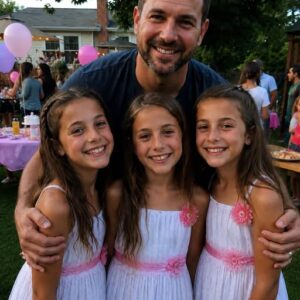
Illness slowed him but did not harden him. Surviving multiple heart attacks made him gentler, more present, and deeply devoted to his children. He lived with urgency not out of fear, but gratitude—calling often, loving openly, and treating time as the fragile gift it is.
The final heart attack ended his life, but not his impact. What remains lives quietly in the people he steadied, the calls answered because “he would have wanted it,” and the families who felt seen because of him. His heart stopped—but his story didn’t.