Melania Trump’s time as First Lady has drawn both praise and criticism, reflecting the polarized political climate in which she served. Unlike more overtly political predecessors, she maintained a relatively private and selective public presence, choosing specific initiatives and appearances to define her role. Upon returning to the White House in 2025, she indicated her second tenure would be more intentional, balancing official duties with time spent in Washington, Florida, and New York.
Central to her public platform has been the “Be Best” initiative, launched in 2018, which focuses on children’s well-being, social media behavior, and opioid awareness. While supporters credit the program for raising awareness around cyberbullying and substance abuse, critics have questioned its scope and long-term measurable impact. In her second term, she continued highlighting these themes through school visits, conferences, and public remarks, reinforcing her focus on youth and family issues.
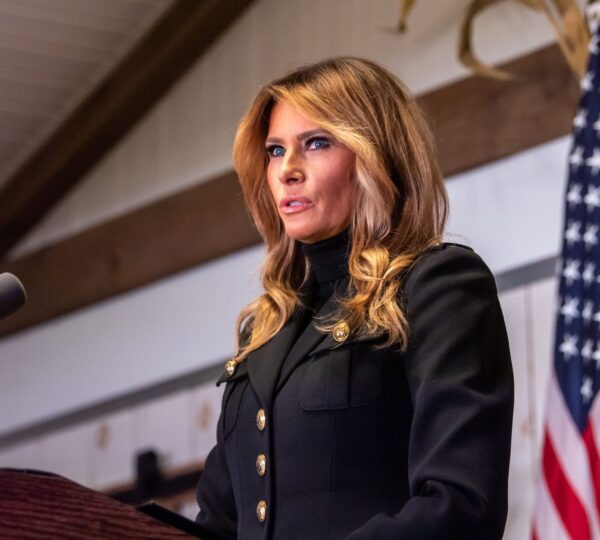
A notable development during her later tenure was the release of a documentary about her life and work as First Lady. The film, which traced her journey from Slovenia to the White House, aimed to present a more personal perspective on her advocacy and public service. Reception was mixed, but it served as a deliberate effort to shape her own narrative in a media environment often driven by headlines and commentary rather than personal storytelling.
Public opinion remains divided. Polling data suggests her approval ratings trail some past First Ladies while reflecting strong partisan differences—higher among Republican voters and lower among Democrats. Compared with historically popular figures such as Jacqueline Kennedy or Michelle Obama, Melania Trump’s legacy is more complex and debated. Ultimately, her tenure highlights evolving expectations of the First Lady’s role—balancing visibility, advocacy, media scrutiny, and personal privacy in an era of intense political division.