On a single Saturday, a fragile balance appeared to fracture. Reports of coordinated strikes on Iranian nuclear facilities triggered sirens in Tehran, heightened alerts in Israel, and urgent consultations in Washington. Energy markets reacted instantly, diplomats moved into crisis mode, and defense officials assessed what escalation might follow.
The targeting of hardened sites such as Fordo marked a dramatic shift in approach. For years, tensions surrounding Iran’s nuclear program were managed through negotiations, sanctions, and incremental pressure. Open military action signals a departure from that framework, forcing regional and global powers to reassess red lines and risk tolerance.
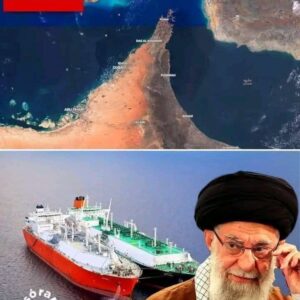
Iran’s statement that it will “reserve all options” raises concerns about asymmetric responses — cyber operations, proxy activity, or disruption near critical waterways like the Strait of Hormuz. Even limited retaliation in that corridor could ripple through global oil supplies and financial markets. Meanwhile, debates over legality and proportionality are unfolding at the United Nations and among allied governments.
The broader question now is whether this episode becomes a catalyst for renewed diplomacy under pressure or the beginning of sustained escalation. With tensions high and trust low, decisions made in the coming days will shape whether the region moves toward uneasy containment — or something far more destabilizing.