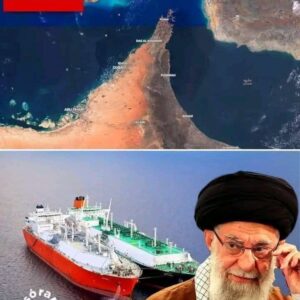
As tensions rise after reported U.S.–Israeli strikes on Iran, an old Cold War question has returned: if a nuclear conflict erupted, where would be safest? The renewed anxiety reflects how quickly regional confrontations can ignite global fears, especially when nuclear capabilities are part of the equation.
In any large-scale exchange, military infrastructure such as missile silos, air bases, and naval ports would likely be primary targets. In the U.S., areas housing strategic weapons systems could face higher immediate risk. However, experts emphasize that predicting fallout patterns is highly uncertain, as wind direction, strike scale, and the number of detonations would drastically shape the outcome.
Some regions might statistically face lower initial blast exposure, but “lower risk” does not mean safe. Even areas far from direct targets could suffer from radiation spread, infrastructure collapse, medical shortages, and long-term contamination of food and water supplies.
The harsh reality remains unchanged: in a full-scale nuclear war, there is no truly safe place. Beyond immediate destruction, the possibility of global climate disruption and agricultural collapse would affect nearly every continent. That is why prevention and de-escalation remain far more powerful than any survival map.