Iran responded swiftly, condemning the strikes as an act of aggression and vowing retaliation. Within hours, tensions intensified as missile and drone activity was reported, raising fears that the situation could spiral into a broader regional conflict. Both sides signaled readiness for further action, while analysts warned that cycles of retaliation could quickly become difficult to control, potentially drawing in additional countries and armed groups.
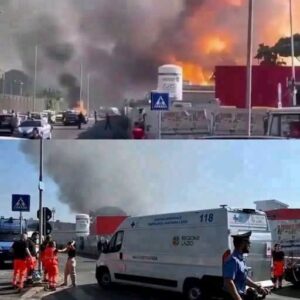
The humanitarian and economic consequences are already emerging. Reports indicate civilian casualties and damage to infrastructure in affected areas, with hospitals under pressure and families seeking safety. At the same time, global markets reacted to the rising instability, particularly in the energy sector, as concerns grew over potential disruptions to oil supply routes and regional production.
International reactions have been mixed, with some leaders supporting efforts to limit missile threats while others urge immediate de-escalation. Diplomatic efforts are underway, but deep mistrust between the parties makes resolution challenging. As the situation continues to evolve, the coming weeks are expected to be critical in determining whether the conflict remains contained or expands into a wider and more dangerous confrontation.