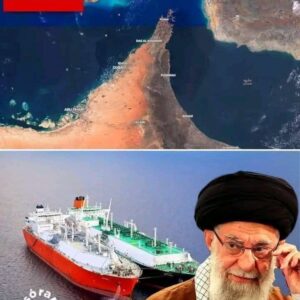
But when you look more closely, many of these reports do not provide confirmed evidence of military action, official escalation, or verified diplomatic change. Instead, they often rely on sensational wording, exaggerated framing, and incomplete information designed more to attract attention than to explain what is actually happening.
This works because such headlines play on emotion and curiosity. By combining high-profile figures with alarming words and unfinished ideas, they create a gap that readers feel compelled to fill with worst-case assumptions. In many cases, the article itself offers much less than the headline promises, showing how clickbait often values reaction over truth.
The larger lesson is that people need to be careful with stories like these. Real international crises are usually supported by official statements, verified reporting, and clear evidence, not just dramatic headlines. In an online environment filled with sensationalism, the best defense is to pause, stay skeptical, and check trusted sources before believing or sharing alarming claims.