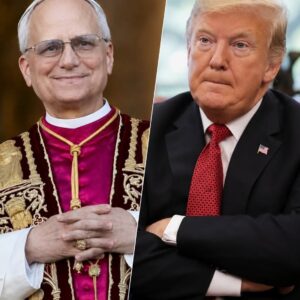
Early one morning on CNBC’s Squawk Box, President Trump veered from economic bragging to teasing a 2028 comeback: “Unless I run again…” he quipped, before insisting “probably not”—only to immediately add “I’d like to run” given his “best poll numbers” and loyal base. It was classic Trump theater, dangling the impossible—defying the 22nd Amendment’s two-term limit—just long enough to keep supporters dreaming and opponents off balance.
Legally, a third term is barred. Yet at rallies and in interviews, Trump has repeatedly floated loopholes, like running as vice president on a friendly ticket and then succeeding when that president steps down. He’s stoked “Trump 2028” merch and played coy with NBC’s Kristen Welker, insisting “there are ways” while feigning ignorance about constitutional constraints.
Behind the spectacle, Trump’s strategy is clear: keep his movement energized and the political class distracted. By hinting at a constitutional crisis he can never win, he dominates the news cycle, forces rivals to address unlikely scenarios, and maintains fundraising and media momentum—even as real polls show his approval dipping into the high-30s.
Ultimately, the 22nd Amendment remains rock-solid. Yet Trump’s half-jokes and headline-grabbing flourishes ensure that, for his supporters, the question “What if he doesn’t leave?” lingers. Whether or not he ever plans to run, this constant teasing may prove one of his most enduring—and disruptive—political legacies.