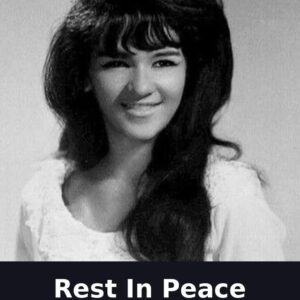
Angie Dickinson, now 92, was once one of Hollywood’s most celebrated actresses, known for roles in Rio Bravo and her Golden Globe-winning turn in Police Woman. Rising to fame in the 1950s, she became a television icon, admired for her beauty, talent, and groundbreaking presence on screen — even if she never considered herself a feminist. She worked hard, often twice as much as younger co-stars, and inspired many women to pursue careers in law enforcement, despite finding her hit series “too clean” and creatively limiting.
Her personal life was as storied as her career. Married twice — first to Gene Dickinson, then to composer Burt Bacharach — she had one daughter, Nikki, who was born prematurely and later diagnosed with Asperger’s syndrome. Angie stepped back from acting to care for Nikki, whose health struggles persisted until her death by suicide in 2007 at age 40. Angie described her as “wonderful, funny, and very smart,” and the loss left a lasting impact.
Though rumors linked her romantically to Frank Sinatra, Dean Martin, and even President John F. Kennedy, Dickinson often prioritized family over fame, turning down roles to be home. She returned for notable appearances, including the 2001 Ocean’s Eleven, but gradually withdrew from Hollywood. Her last film role was in 2004, with her final TV appearance in 2009. Since then, she has lived quietly in Beverly Hills, rarely seen in public but fondly remembered by neighbors as gracious and kind.
Reflecting on her life, Dickinson says she feels “lucky” to have been part of so many incredible moments and friendships. Still glamorous in her later years, she admits she’s not interested in “grandmother parts” and prefers privacy over tell-all memoirs. While she now leads a solitary life, her legacy remains — a pioneering actress who combined elegance, strength, and charisma long before today’s conversations about “strong women” in entertainment.