In 1960, Jim Reeves released “He’ll Have to Go,” a song that quietly changed the course of country and pop music. With his smooth, velvety voice and effortless delivery, Reeves transformed a simple tale of heartbreak into something timeless. Known as “Gentleman Jim,” his calm elegance and emotional restraint made him stand out in a genre often defined by grit and twang. The song became the moment that turned him from a star into a legend, bridging two musical worlds with grace.
The origins of “He’ll Have to Go” were just as heartfelt as the song itself. Written by Joe and Audrey Allison, the lyrics were inspired by a moment Joe witnessed in a bar — a man pleading over the phone for the woman he loved to come back. That vulnerability became the heart of the song’s opening line: “Put your sweet lips a little closer to the phone.” When Reeves recorded it, producer Chet Atkins kept the arrangement soft and intimate, allowing Reeves’ voice to carry the emotion. The result was magic — the song topped the country charts and climbed to number two on the pop charts, proving that country could be refined, mainstream, and deeply moving all at once.
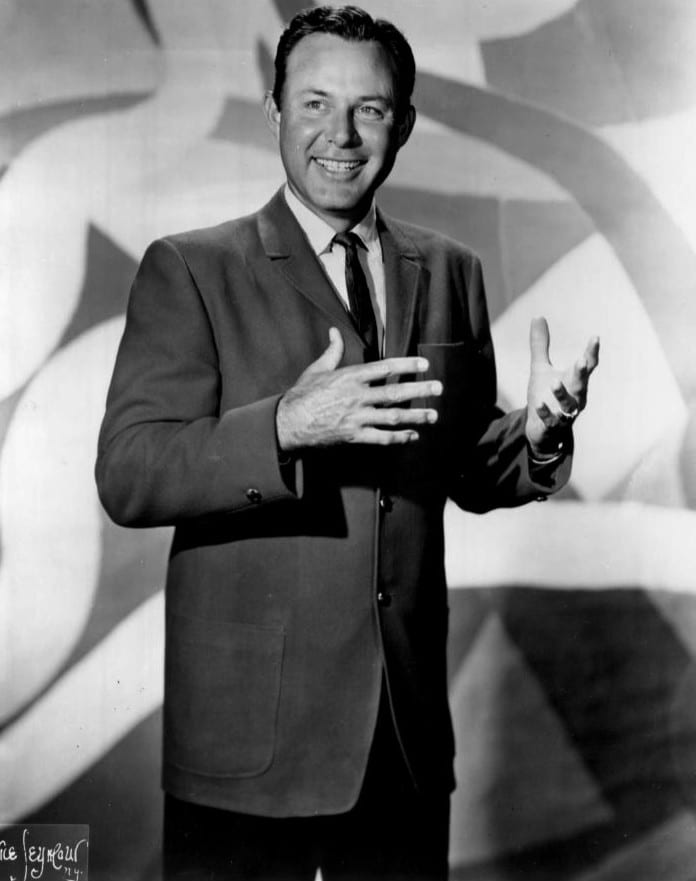
More than a hit, “He’ll Have to Go” marked a turning point in music history. It helped define the Nashville Sound — a polished blend of country and pop that would influence artists for decades. Reeves’ version struck a perfect balance of sincerity and sophistication, inspiring everyone from Elvis Presley to Taylor Swift to explore crossover sounds. His success also made him one of the first global ambassadors for country music, showing international audiences that the genre could be both heartfelt and universal.
Tragically, Jim Reeves’ life was cut short in a plane crash in 1964, when he was just 40 years old. Yet his legacy endures through the music he left behind. “He’ll Have to Go” remains one of the most beloved and enduring country songs ever recorded — a masterpiece of honesty and longing. It reminds listeners of the power of simplicity, emotion, and a single unforgettable voice. Decades later, Reeves’ influence continues to shape modern artists and listeners alike, proving that true music never fades — it only finds new hearts to touch.