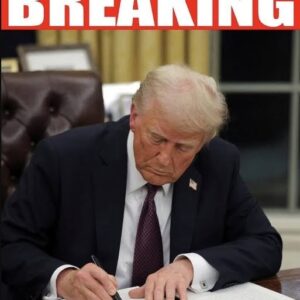
Former President Donald Trump reignited national debate this week after unveiling his proposed $2,000 “tariff dividend,” a plan he says would return tariff-generated revenue directly to Americans. After days of online speculation about a major announcement, Trump confirmed via Truth Social that he intends to distribute funds collected under his administration’s trade policies, particularly those targeting China. Supporters immediately framed the idea as validation of his pledge to prioritize ordinary citizens, calling it proof that strong trade measures can deliver tangible benefits.
Trump’s message blended economic policy with symbolic appeal. He portrayed tariffs not as burdens, but as strategic investments that had finally “paid off” for the American people. By casting the dividend as both practical relief and a patriotic return on national effort, he tied the policy to his broader philosophy: that assertive trade protections can fuel not only geopolitical leverage but household prosperity. For many of his followers, the announcement revived confidence in a familiar narrative of strength and economic nationalism.
The public reaction, however, was divided. While some hailed the proposal as a timely boost during a period of rising costs, economists urged caution, noting that existing tariff revenue may fall far short of what such payments would require. Policy analysts questioned whether the plan was financially viable or simply political messaging, warning that the mechanics of tariffs are far more complex than the rhetoric suggests. This tension between hope and skepticism echoed longstanding debates over stimulus, taxation, and the true cost of aggressive trade strategies.
Regardless of its feasibility, the “tariff dividend” underscored a deeper truth: Americans are hungry not just for economic relief, but for reassurance that national wealth is being managed with fairness and accountability. The promise tapped into a broader longing for shared prosperity — the belief that when the country succeeds, its people should feel it. Whether Trump’s proposal becomes policy or remains symbolic, it highlights a recurring test in American politics: in times of uncertainty, prosperity is measured not only in dollars, but in trust.