The disappearance and death of 10-month-old Zeke Best shattered several rural Idaho communities, turning what began as a hopeful Amber Alert into a heartbreaking criminal case. Residents followed every update as authorities searched across multiple counties, praying for the infant’s safe return. The shock deepened when it emerged that Zeke’s mother, 23-year-old Kali Jean Randall, had been found dead in her home just before the alert was issued, immediately linking the two incidents and amplifying public concern.
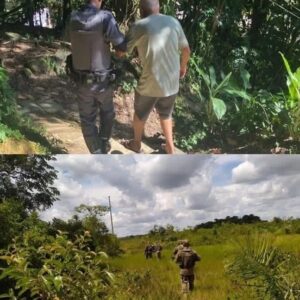
The investigation took a chilling turn when a hunter found a naked, incoherent man wrapped in a sleeping bag along a rural road east of Idaho Falls. Police identified him as Jeremy Albert Best, Zeke’s father and the primary suspect. Nearby, officers located his crashed vehicle in an embankment—and discovered Zeke’s body close to the scene. The area was quickly transformed into a major crime scene, drawing in Idaho State Police, the FBI, and specialized forensic teams to determine what happened in the baby’s final hours.
Authorities later confirmed that Best was also wanted in connection with Kali’s homicide, believed to have occurred roughly a day before Zeke vanished. Investigators are now reconstructing the timeline through digital records, witness statements, and forensic evidence to understand whether the violence was premeditated or the result of a rapid, deadly escalation inside the home. Meanwhile, communities across eastern Idaho have gathered for vigils, lit candles, and posted tributes online, using their grief to spark wider conversations about domestic violence, mental health, and the often-missed warning signs that can precede such tragedies.
Law enforcement officials stress that although the Amber Alert could not save Zeke, it was crucial in helping locate Best quickly. Multiple jurisdictions continue working together on the case, with Best already facing kidnapping charges and more homicide-related counts expected as lab results come in. Major questions remain about the causes of both deaths and Best’s mental state at the time. While authorities urge the public to avoid speculation, local advocates are calling for stronger support systems and earlier intervention for families in crisis. Eastern Idaho now mourns collectively, seeking answers, justice, and some path toward healing after a devastating chapter that has left a lasting mark on the region.