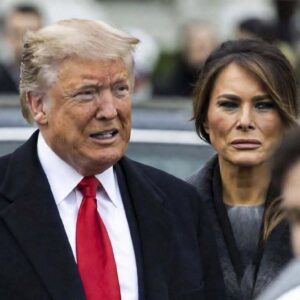
Newly elected Canadian Prime Minister Mark Carney ignited tensions with the United States almost immediately after his victory. In his first speech, he accused Donald Trump of trying to “break” Canada so America could “own” it, warning that the former U.S. president’s comments and ambitions were not “idle threats.” Carney insisted Canada would never surrender its land, water, or sovereignty, emphasizing that the global landscape has fundamentally changed.
His remarks were a direct response to Trump’s repeated claims that Canada should become the 51st state of the United States. Trump had previously referred to Justin Trudeau as the “Governor of Canada” and urged Canadians online to elect a leader willing to merge the countries, promising economic growth, military strength, and “zero tariffs” if Canada joined the U.S. His posts revived long-standing political friction and drew strong reactions from both Canadian political parties.
Carney affirmed that Canada was “over the shock of the American betrayal” and made clear that any conversation with Trump would be between “two sovereign nations.” He stressed that Canada has “many other options” for economic partnerships beyond the United States and urged citizens to prioritize domestic goods and national unity as trade tensions rise. Opposition candidate Pierre Poilievre had also pledged to stand firm against Trump, showing bipartisan resistance to the idea of annexation.
The new prime minister vowed to defend Canada’s independence and strengthen its economy despite U.S. pressure. He called on Canadians to support each other, build self-reliance, and work toward becoming the strongest economy in the G7. Carney ended his speech with a message of solidarity, insisting that united action would allow Canada to win any trade war and secure a prosperous future for all Canadians.