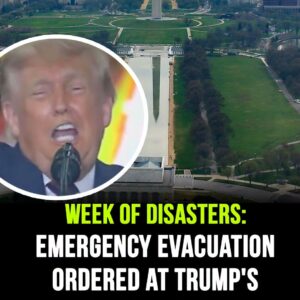
Hundreds of demonstrators gathered outside the White House as night fell in Washington, protesting President Donald Trump’s announcement of U.S. airstrikes in Venezuela and the reported capture of President Nicolás Maduro. Organized rapidly through social media, the protest reflected alarm over executive overreach, militarized foreign policy, and the precedent of removing a foreign leader while declaring temporary control over another nation. Protesters emphasized that opposition to the strikes did not equate to support for Maduro, but to concern over legality and global stability.
Trump framed the operation as both a national security action and a law-enforcement measure, labeling Maduro a “narco-terrorist” and claiming he and his wife were in U.S. custody to face federal charges. Supporters praised the move as long-overdue accountability for an authoritarian leader, while critics questioned whether the president had the authority to carry out such an operation without congressional approval or international mandate.
Legal and constitutional concerns dominated the protest. Senator Tim Kaine and other experts cited the War Powers Act, warning that continued military involvement would require congressional authorization. Demonstrators also pointed to historical precedents where interventions promised swift resolution but led to prolonged instability, urging restraint and adherence to international law.
Global reaction intensified the debate, with several governments condemning the strikes as violations of sovereignty and warning of regional destabilization. While some Venezuelan Americans—particularly in Miami—expressed support for the action, the protest in Washington highlighted broader anxieties about U.S. power, precedent, and accountability. As demonstrators dispersed, questions surrounding legality, morality, and executive authority remained unresolved.