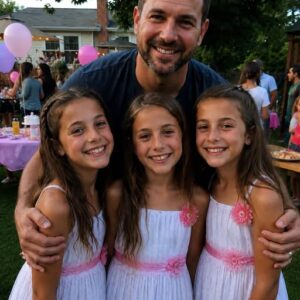
When Mason chose to live with his father after the divorce, I respected his decision, believing space might help him heal. At first, everything seemed fine—playful photos, cheerful updates, reassurance that he was okay. I told myself his happiness mattered more than the ache of missing him.
Then the silence crept in. Messages slowed, then stopped. Teachers reached out with concerns about his mood and missed work. This wasn’t rebellion—it was retreat, and my instincts told me something was wrong.
One rainy afternoon, I went to his school. In the car, the truth finally surfaced: his father was struggling, and Mason had been quietly carrying the burden—empty cupboards, unpaid bills, fear he didn’t want either of us to see. “I didn’t want to cause trouble,” he whispered, and my heart broke knowing my child had been protecting adults.
I brought him home that night, no lectures—just warmth, food, and rest. Slowly, with routine, therapy, and care, he came back to himself. I learned that love isn’t only about letting go; sometimes it’s about stepping in. When silence hides pain, love means showing up—until safety replaces fear.