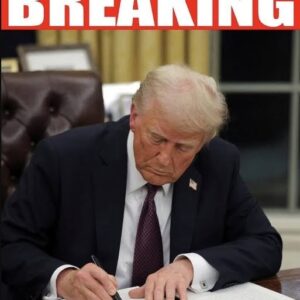
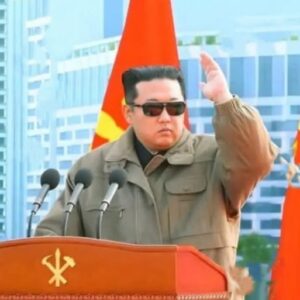
Fear of war has quietly seeped into everyday conversation, shaped by rising global tensions and a sense that international stability is more fragile than it once seemed. While Donald Trump’s reelection messaging emphasized avoiding foreign conflicts, aggressive rhetoric and geopolitical pressure points—from Venezuela to Iran—have left many people uneasy about the direction of U.S. leadership and diplomacy.
The deepest anxiety centers on the possibility of World War III. Some argue that deterrence, treaties, and rational actors still stand firmly in the way of catastrophe. Others point out that escalating rhetoric, weakened alliances, and unpredictable decision-making increase the risk of miscalculation—often the true spark behind large-scale conflicts.
Adding to public unease, nuclear historian Alex Wellerstein has explained that in a worst-case scenario, targets would depend on an adversary’s goals. Strategic sites such as missile bases and command centers—near cities like Great Falls, Cheyenne, Omaha, and Colorado Springs—could be prioritized to cripple U.S. retaliation, while major population and economic centers could be targeted for symbolic or destabilizing effect.
None of this means disaster is inevitable, but the conversation itself reflects a collective sense of vulnerability. Whether driven by real risk or amplified uncertainty, these fears highlight a growing question many people are asking quietly: will diplomacy and restraint hold, or are we drifting closer to a conflict the world cannot afford?