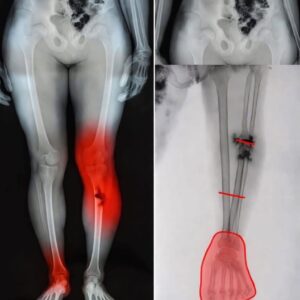
When Lindsey Vonn crashed during the women’s downhill final in Cortina, the celebration instantly turned into silence. Doctors later confirmed she had fractured her left leg after clipping a gate at high speed, forcing an immediate medical response and helicopter evacuation. The images were difficult to watch, not only because of the injury, but because they marked a sudden halt to a comeback attempt that already felt extraordinary.
At 41, Vonn was chasing history—aiming to become the oldest Olympic medalist in alpine skiing. Just days earlier, she had torn her ACL and still chose to race. This was not recklessness, but devotion: a lifetime spent testing the edge of human limits in pursuit of meaning, mastery, and self-respect rather than applause alone.
Following surgery in Cortina, officials confirmed her condition was stable, though recovery will be long and demanding. Doctors emphasized the need for patience, discipline, and resilience—qualities Vonn has shown throughout her career. Even in the aftermath of the crash, she was reportedly watching the race and cheering on her teammate, a quiet moment that revealed her character more clearly than any medal could.
Vonn’s fall is a reminder that greatness in sport isn’t defined solely by victories, but by perseverance when the body gives way. Her Olympic journey in Cortina didn’t end in triumph, but it didn’t end in defeat either. It ended in truth—about sacrifice, courage, and grace under pressure—and now continues in a different arena, where healing, patience, and resilience become the next test of strength.