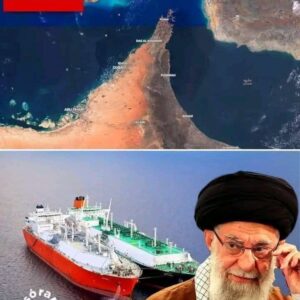
Iran’s parliament has raised the possibility of closing the Strait of Hormuz, a narrow waterway just about 34 kilometers wide that serves as one of the most critical energy corridors in the world. Roughly 20–30% of global oil shipments and about one-third of liquefied natural gas (LNG) pass through this route, making it a central artery of international trade.
If Iran were to block the strait, the consequences could be immediate and far-reaching. Global oil prices would likely surge due to disrupted supply, increasing fuel costs worldwide. Financial markets could react sharply, and energy-dependent economies might face inflation, supply shortages, and broader economic instability.
For India, the stakes are especially high. A significant portion of its crude oil imports travels through the Strait of Hormuz. Any disruption could drive up petrol and diesel prices, raise transportation and flight costs, and increase overall living expenses. The government may rely on strategic petroleum reserves and alternative suppliers, but prolonged closure would still strain the economy.
Globally, the situation would draw in major powers such as the United States and China, both of which have strategic interests in maintaining open sea lanes. Military presence in the region could intensify, and diplomatic efforts would likely accelerate to prevent escalation. A narrow stretch of water may seem small on a map, but its stability is crucial to the global economy.