On a single Saturday, a fragile balance appeared to fracture. Reports of strikes on Iranian nuclear facilities triggered sirens in Tehran, heightened alerts in Israel, and urgent consultations in Washington. Markets reacted immediately, with energy prices spiking and global leaders scrambling to assess what this escalation could mean for regional stability.
The targeting of sites such as the heavily fortified Fordo facility signaled a shift away from years of cautious deterrence and indirect pressure. For over a decade, the crisis surrounding Iran’s nuclear program had been managed through negotiations, sanctions, inspections, and calibrated responses. Open military action alters that framework, forcing governments worldwide to reassess both risk tolerance and strategic red lines.
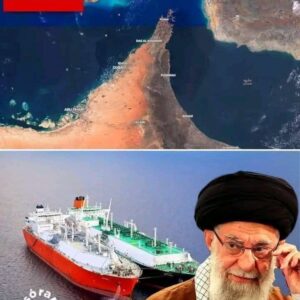
Iran’s pledge to “reserve all options” suggests the possibility of asymmetric retaliation — cyber operations, proxy activity, or pressure on critical waterways like the Strait of Hormuz. Even limited exchanges in that corridor could disrupt global oil supplies and amplify economic shockwaves far beyond the region. Diplomatic channels remain active, but tensions are unmistakably elevated.
As debates unfold at the United Nations and among allied capitals, one reality is clear: the margin for error has narrowed. Whether this episode leads to renewed negotiations under duress or a broader cycle of escalation will depend on decisions made in the coming days — decisions shaped by deterrence, domestic politics, and the urgent desire to prevent a wider conflict.