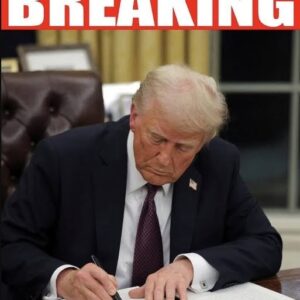
Former President Donald Trump has stirred public excitement and confusion with his proposal for a $2,000 “tariff dividend,” a payment he says would come from tariff revenue collected during his administration. While Trump has hinted that the checks could arrive “by the middle of next year, or a little later,” he has offered almost no concrete details about timing, eligibility, or distribution. The idea has captured national attention, but it remains largely undefined.
At this point, nothing is official: no legislation, no IRS guidance, and no Treasury plan. Analysts have speculated that eligibility could mirror past relief checks, with income cutoffs around $75,000 for individuals and $150,000 for couples. That would make many Americans — including gig workers and unemployed individuals — potentially eligible, but everything hinges on Congress approving a costly new spending package. Treasury Secretary Scott Bessent has expressed uncertainty, saying only that “we need legislation for that.”
Financial concerns are a major obstacle. Lawmakers like Senator Ron Johnson argue tariff revenue should reduce the nation’s deficit, not fund payments the country “can’t afford.” Independent budget groups estimate the plan could cost between $300 billion and $600 billion annually — far more than the roughly $195.9 billion currently collected in tariffs. Even narrowing eligibility barely reduces the projected cost, and Bessent has floated the possibility that any “dividend” might come through tax credits rather than direct checks.
Despite the challenges, Trump remains committed to the concept, calling it both a reward for Americans and a way to reduce national debt. But until a legislative framework emerges, the tariff dividend is more political promise than policy. For now, Americans are left waiting to see whether it becomes real financial relief or simply remains a campaign-season headline.