Geena Davis rose to fame in the 1980s with an effortless, magnetic presence, moving quickly from modeling into acclaimed film roles. To audiences, she seemed fearless and luminous, but her early life was shaped by strict politeness, silence, and trauma that taught her never to speak up—even when it mattered most.
As a child, she survived moments that quietly rewired her instincts: a near-fatal car incident where no one dared to object, and sexual abuse that was never fully addressed. Teased for her height and taught to minimize herself, she learned to endure rather than confront, carrying shame and fear into adulthood while holding onto a private dream of acting.
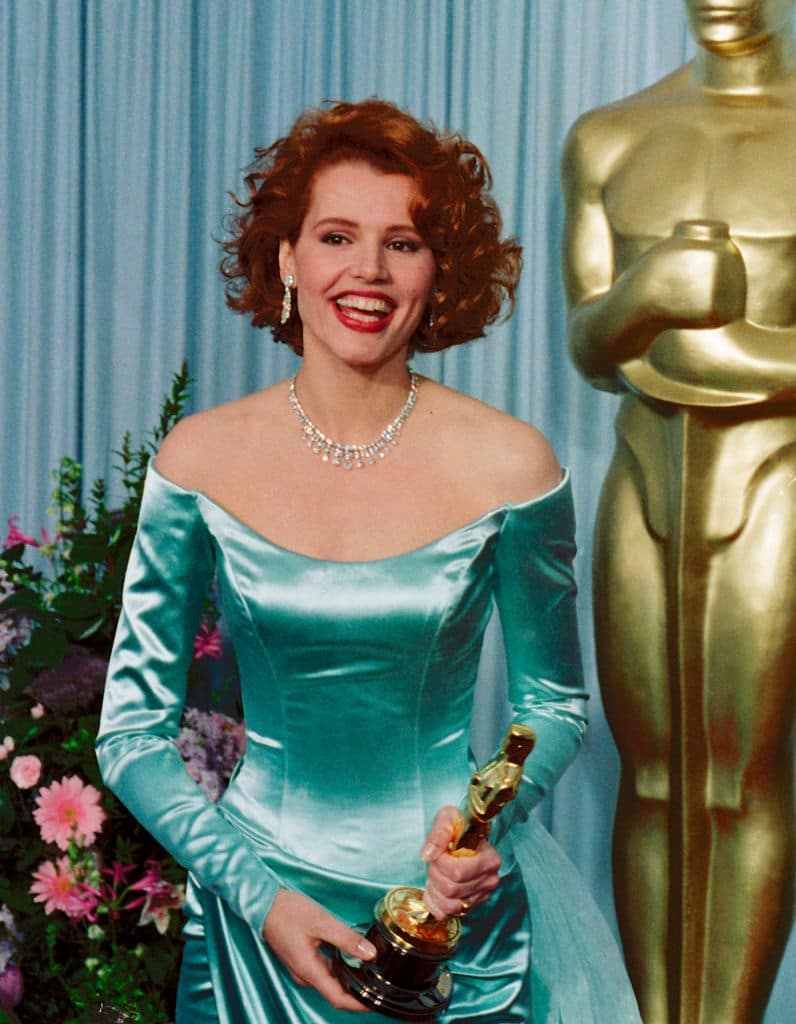
Her career breakthrough came with films like Tootsie, The Fly, Beetlejuice, and an Oscar-winning turn in The Accidental Tourist. Thelma & Louise became a turning point, not just professionally but personally, helping her unlearn a lifetime of enforced silence and recognize that assertiveness could be freeing rather than dangerous.
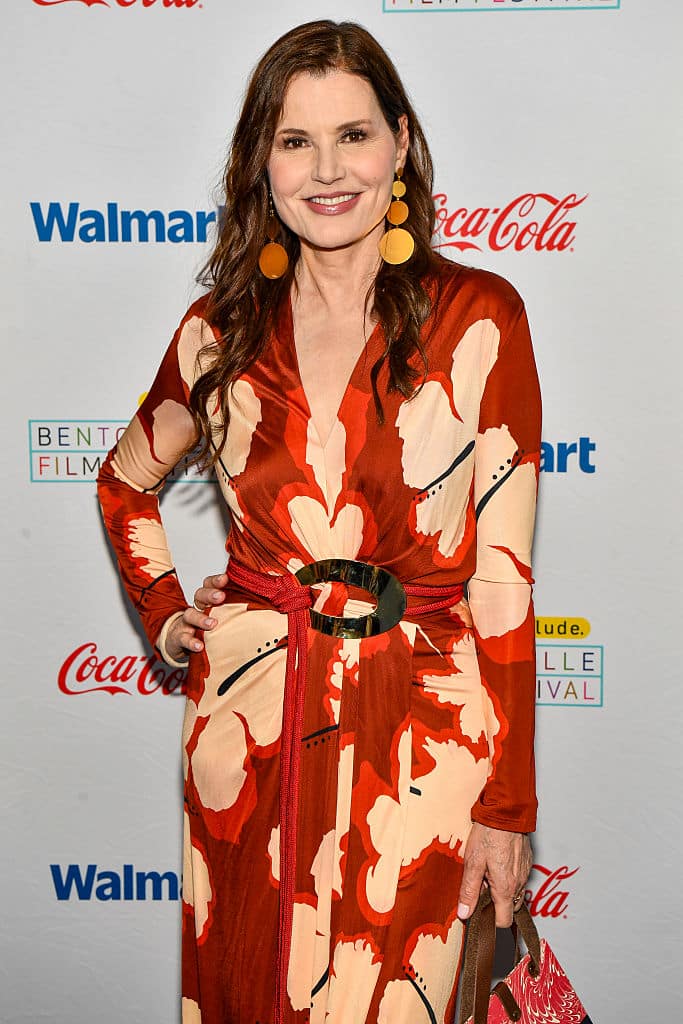
When Hollywood sidelined her with age, Davis redirected her energy into lasting change. As a mother, she became acutely aware of gender imbalance in media and founded the Geena Davis Institute on Gender in Media. Her legacy is no longer just cinematic—it’s a testament to survival, growth, and the power of reclaiming a voice once taught to stay quiet.