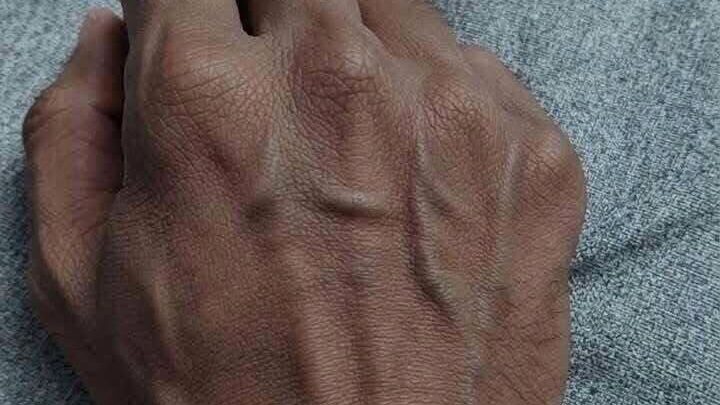
One possible cause is poor blood flow through the veins in the legs. When the veins struggle to move blood back toward the heart, pressure can build up in the lower legs. Over time, this may lead to ongoing swelling, aching, and visible skin changes. The skin may become darker, dry, irritated, thickened, or more fragile, and in more advanced cases, small sores can develop and take a long time to heal.
Mild swelling may improve with simple habits such as moving more often, avoiding long periods of sitting or standing, elevating the legs, and gently flexing the ankles throughout the day. Compression socks can also help some people, but they are not suitable for everyone, especially when certain circulation problems are present. That is why it is best to get medical advice before using them regularly.
Persistent swelling, skin discoloration, or wounds that do not heal should always be checked by a healthcare professional. Sudden swelling in one leg, especially with pain, warmth, or redness, can be a warning sign of a blood clot or another urgent problem. If swelling comes with chest pain or difficulty breathing, seek emergency medical help immediately—those symptoms should never be ignored.