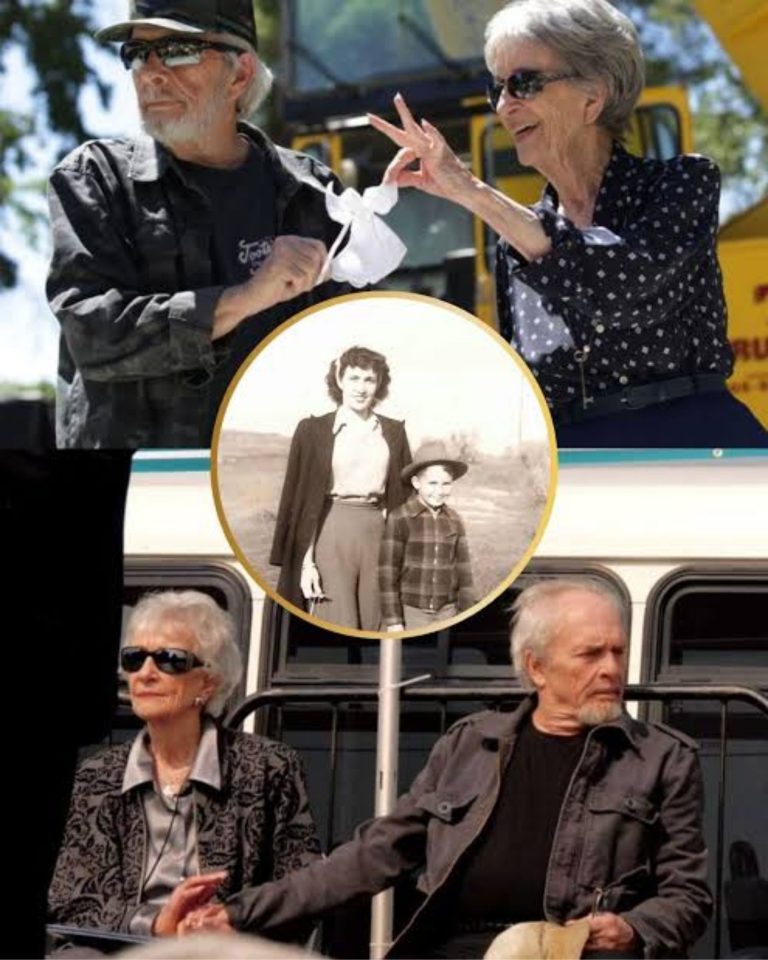
Before Merle Haggard became a country star, his family’s story was already taking shape in a small collection of everyday things. In 2003, Merle and his sister Lillian donated nearly thirty Haggard family belongings to the National Museum of American History, including a metal camera, a kerosene lamp, quilts and gospel songbooks. Their mother, Flossie, had kept the objects in boxes and closets; Lillian helped preserve the memories attached to them.
The family left Oklahoma after drought damaged the crops on James and Flossie Haggard’s farm in 1934, followed by a fire that destroyed their barn, livestock, equipment, feed and automobile. James acquired a 1926 Chevrolet and a homemade trailer, and the family set out for California with the possessions they had managed to save. Merle was born two years later, so his understanding of the trip came from family stories and the things his parents carried west.
Flossie took an Empire box camera along the way. Its photographs recorded the Chevrolet and trailer on Route 66, as well as her daughter Lillian against the changing landscape. The pictures gave Merle a view of a journey he had not experienced himself. His parents also told him about trouble near Needles, where the car’s transmission broke down and James used fence wire to keep it working. They waited for night to cross the desert, though Merle recalled hearing that the temperature remained around 114 degrees.
In California, James found work with the Santa Fe Railway. Near Oildale, the family settled in an abandoned refrigerated boxcar, which James converted into a home by adding doors, windows and plumbing. Flossie planted flowers outside. Merle was born there on April 6, 1937. To Lillian, the railcar was not simply a symbol of hardship: it showed how her father had made a home from what was available. At the Smithsonian gathering, she put it plainly: “We always had a home.”
Other donated objects brought the family’s daily life into view. The lamp lit their living room; Flossie’s Singer sewing machine helped repair clothes; and James’s gospel songbooks reflected his singing in a quartet. He died of a brain hemorrhage when Merle was nine.
Merle spoke at the 2003 event about the pride he believed his father would have felt. Lillian, who remembered the Oklahoma farm and the migration firsthand, also helped correct the simplified image of a family with no home or plan. Together, the siblings offered more than memorabilia: a record of the people and household that came before Merle’s songs.