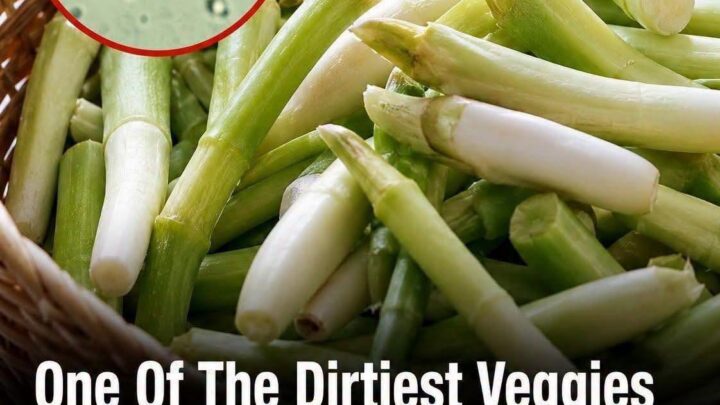
Some alarming online claims suggest that eating even a single bite of water chestnut can introduce dangerous parasites into the body. However, these warnings exaggerate the actual risk. The main concern is that raw aquatic vegetables may become contaminated when grown, harvested, or handled under unhygienic conditions. Their muddy outer surfaces can carry microorganisms, and improper preparation may allow contamination to spread to the edible portion.
One of the most important precautions involves washing water chestnuts thoroughly before peeling them. When a knife or peeler passes through a dirty outer layer, bacteria or other contaminants can be transferred to the inside. Using clean water, washed hands, and properly sanitized kitchen utensils helps reduce this risk. Cooking water chestnuts thoroughly provides additional protection by destroying many potentially harmful organisms. Purchasing them from reliable sellers and avoiding damaged or poorly stored products can also improve food safety.
Despite these concerns, water chestnuts remain a nutritious food that can be enjoyed as part of a balanced diet. They contain fiber, antioxidants, and relatively few calories, making them a useful addition to many meals. The idea that a single bite is automatically harmful is misleading, and there is no reason to fear properly prepared water chestnuts. The important lesson is to pay attention to food hygiene, handle fresh produce carefully, and cook aquatic vegetables when possible to reduce the risk of contamination.