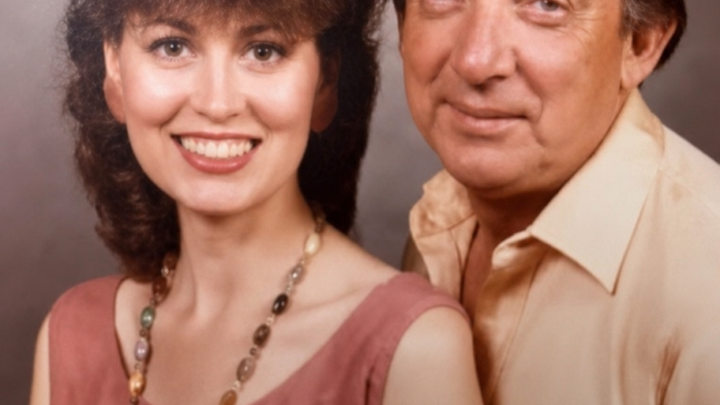
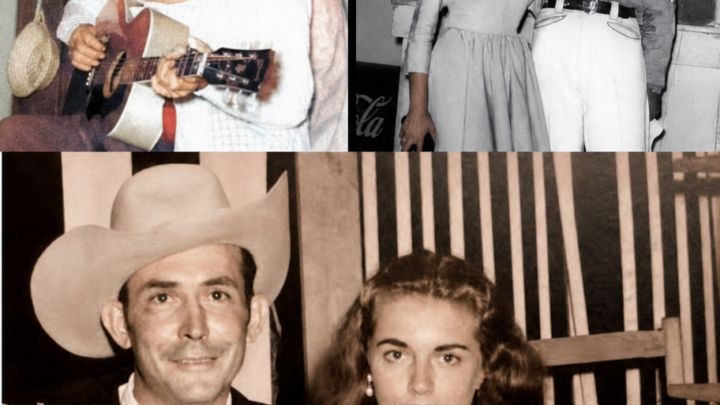
In 1987, Waylon Jennings began experimenting with a concert that left his familiar full-band sound behind. He took an electric guitar and recorded backing tracks into smaller venues, making room between songs for stories drawn from his life.
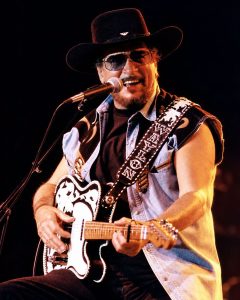
The idea followed an outdoor fairground performance that left him bored with the kind of show he knew how to give. Jennings told a reporter that plenty of concerts still interested him; he was looking for something different from another familiar set built around a band and a crowd calling back to the stage.
A personal story, with boundaries
At the time, Jennings had also been approached about writing an autobiography. He joked in interviews about the trouble a fully candid book could cause, in part because his stories involved other people. Rather than put every episode on the page, he worked with songwriter Roger Murrah on A Man Called Hoss, an album that presented his life in songs.
The pair built the record in reverse. They began with “Where Do We Go From Here?”, about the present, then worked back toward “Littlefield,” which opens the album with Jennings’ childhood in West Texas. The songs gave him chapters to perform without requiring him to turn every private detail into a public story.
The live shows added something less fixed. Jennings initially tried to remember which anecdotes audiences liked so he could repeat them. But keeping track of requests distracted him, so he returned to telling stories as they came to mind. Unlike a written memoir or planned album sequence, each performance could take its own turns.
Learning to quiet the room
The change asked something of audiences, too. Jennings said that he and Willie Nelson had trained crowds to jump, holler and cheer. For this show, he needed listeners to settle down while he spoke. Recorded tracks could provide arrangements, but they could not fill the gaps or respond when a story veered off course.
A reporter saw Jennings talking with concertgoers in the lobby before a Westwood Playhouse performance. At the Birchmere in February 1988, a reviewer described a ninety-minute show in which stories took up much of the evening. Jennings played familiar songs on guitar and brought Jessi Colter out for duets; the room laughed and cheered.
The experiment did not mean abandoning the songs or the voice audiences recognized. It changed the space around them. On record, A Man Called Hoss arranged Jennings’ life into chapters. Onstage, the time between songs let him decide what to say next—and gave listeners a chance to hear the person behind the familiar performances.