Kenny Rogers had an idea for a song and a voice he wanted beside his. On December 23, 1982, he called Sheena Easton to propose recording “We’ve Got Tonight,” Bob Seger’s 1978 ballad. The following day, Rogers and Easton met around a piano to try it together—a quick holiday rehearsal that became the start of a notable country-pop collaboration.
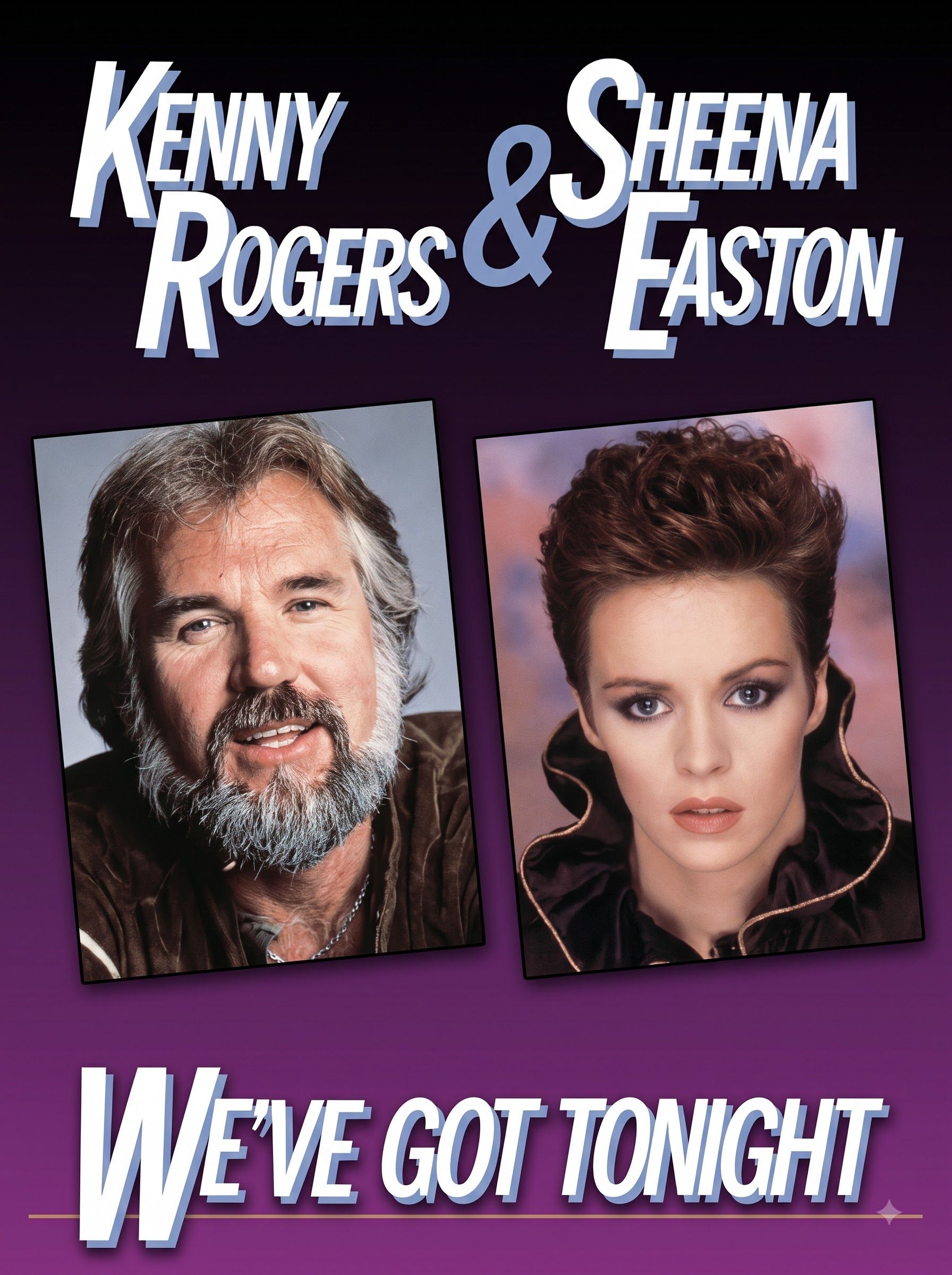
Seger’s original, from his album Stranger in Town, presents a solitary speaker looking for company in a lonely moment. Rogers saw another possibility in the song: two people sharing the exchange. He was preparing an album with producer David Foster and chose Easton for the contrast between her clear pop soprano and his rough-edged country voice. The different vocal qualities gave the song a built-in conversation, rather than simply placing two singers on the same track.
Foster’s arrangement framed that exchange with piano, synthesizer textures and a measured rhythm. Rogers begins with a worn, intimate delivery; Easton’s response brings a brighter tone. As the song progresses, their voices join, shifting the performance from Seger’s solitary perspective toward a shared one. The lyrics stay focused on a temporary connection between two people, rather than promising a grand romance. That restraint suited a duet built on the singers’ differences and the way they meet in the song.
Released on January 24, 1983, “We’ve Got Tonight” served as the lead single and title track of Rogers’ album. It reached No. 1 on Billboard’s Country chart, peaked at No. 2 on Adult Contemporary and reached No. 6 on the Hot 100. The single also entered the UK top 30. Its chart performance carried the pairing beyond a single genre: Rogers’ country audience and Easton’s pop identity came together in a recording that found listeners across several formats.
The collaboration’s appeal rests in that simple musical design. A song first recorded as one person’s confession became an exchange, with Rogers and Easton keeping their contrasting styles audible rather than smoothing them into one. The Christmas Eve rehearsal may have been brief, but the duet gave Seger’s ballad a new shape—and a place on charts far beyond its original rock setting.