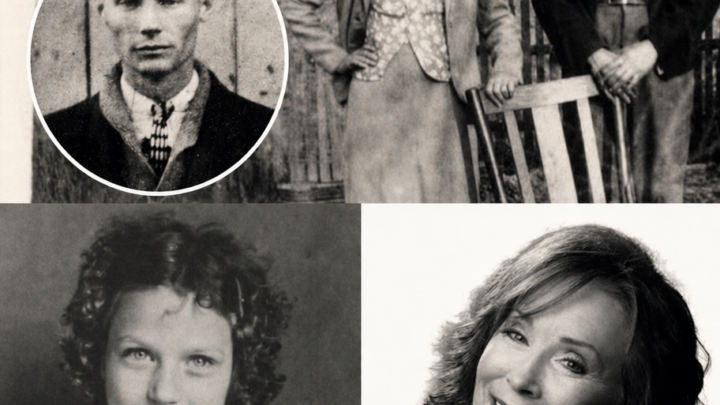
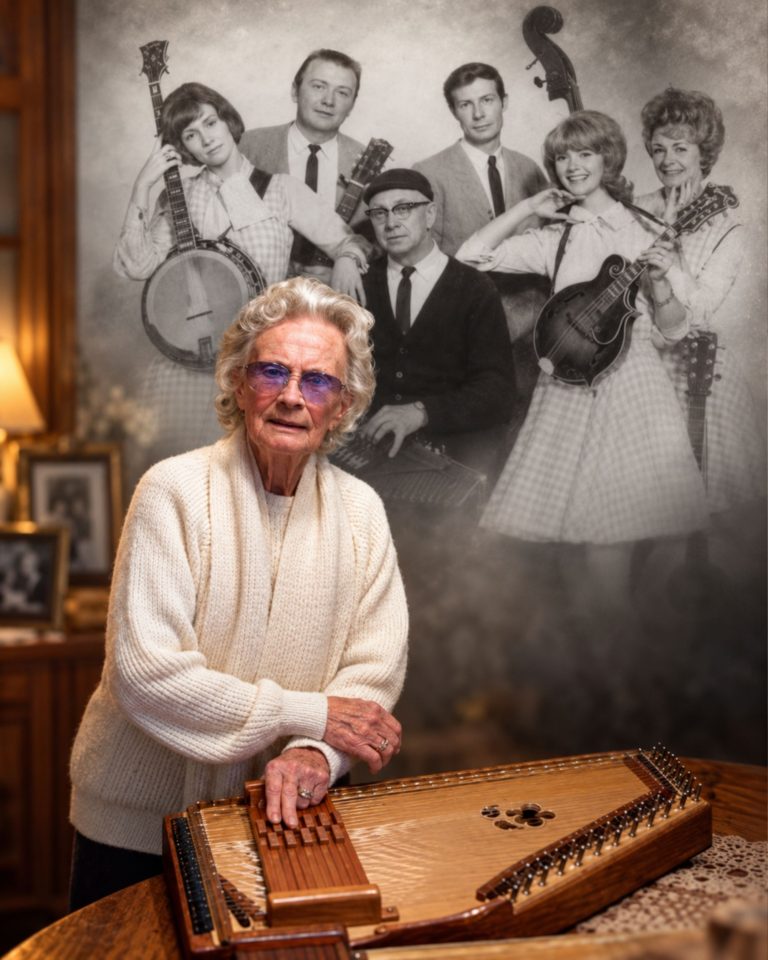
By the time Ernest “Pop” Stoneman died in June 1968, his family band had finally reached a level of national recognition he had long sought. His eldest surviving daughter, Patsy, took over his autoharp and vocal position, helping the Stoneman Family continue without claiming to be a replacement for its founder.
The group’s breakthrough had come after years of hardship. Ernest and Hattie Stoneman had 23 children, 13 of whom survived to adulthood. During the Depression, the family left the Galax, Virginia, area and settled near Washington, D.C. They faced periods of poverty, including a stretch when canvas covered part of their Maryland home’s roof.
Music was a constant in the crowded household, but instruments were scarce. The children had to guard what they played, and competition among siblings helped sharpen their skills. Patsy developed as a musician in that environment and later led her own bluegrass group around Washington.
Recognition came late
In 1966, the Stonemans moved to Nashville. They landed a weekly television program, Those Stonemans, a long engagement at the Black Poodle nightclub and a recording contract with MGM. Their performances mixed traditional material with comedy and lively family interaction. In 1967, the Country Music Association named them Vocal Group of the Year.
The success followed a much earlier chapter in Pop’s career. He began recording commercially in 1924, and “The Sinking of the Titanic” became an early hit. He also advised talent scout Ralph Peer and encouraged musicians to attend the 1927 Bristol Sessions. But the Depression wiped out much of the family’s income, and Pop returned to carpentry and other work to support them.
When he died on June 14, 1968, Patsy stepped into his place onstage. The move carried practical and musical weight: Pop had been the family’s founder and organizing force, while the group still had a career to sustain. Patsy knew the older repertoire and helped keep it in the act as the industry leaned toward more polished country and pop arrangements.
The family continued recording, moving from MGM to RCA, though siblings came and went. By 1979, Patsy, Jimmy and Van were still traveling as the Stoneman Family. Over time, Patsy also worked to secure recognition for her father’s contribution to country music. Ernest Stoneman was inducted into the Country Music Hall of Fame in 2008, and Patsy held his medallion at the induction events.
Her legacy rests in both parts of that work: carrying the family sound forward after Pop’s death and helping preserve the history behind it.