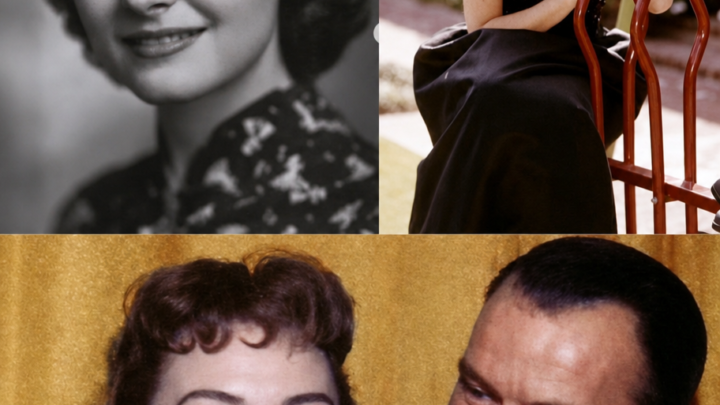
James Garner’s relaxed screen presence concealed a life shaped by loss, war and hard-won independence. The characters audiences came to know—quick-witted gamblers and wary private investigators—were not fearless men. They were practical enough to recognize when trouble could be avoided.
Garner was born in Norman, Oklahoma, in 1928. His mother died when he was young, and he and his brothers were sent to live with relatives while their father tried to rebuild the family. After they reunited, Garner later described his stepmother as physically and verbally abusive. He left home early, joining the Merchant Marine at sixteen.
In 1950, Garner was drafted into the Army and served with the infantry in Korea. He was wounded twice and received two Purple Hearts. His experience also informed his work in war films: for The Great Escape, his portrayal of resourceful Hendley drew in part on Garner’s own wartime role as a company scrounger.
A different kind of western hero
After taking acting opportunities that came his way, Garner landed the role of Bret Maverick in 1957. At a time when television westerns often centered on solemn, morally certain heroes, Maverick was a gambler who weighed the odds and preferred a clever exit to a gunfight. Garner’s dry humor and understated delivery made the character a star without turning him into a conventional action hero.
He left the Warner Bros. contract system after challenging the studio’s decision to suspend his pay during the 1960 writers’ strike. Garner argued that the suspension breached his contract, and he prevailed. He went on to feature films including The Great Escape and The Americanization of Emily, before returning to weekly television in 1974 as private investigator Jim Rockford.
Rockford lived in a mobile home, struggled with bills and often tried to talk or scheme his way out of fights. The part suited Garner’s natural restraint, but its production demands took a physical toll. Frequent action scenes, along with earlier injuries, contributed to serious problems with his knees and back. The original series ended in 1980 after Garner could no longer sustain the workload. Years later, he sued Universal over profits from The Rockford Files; the case ended in a confidential settlement.
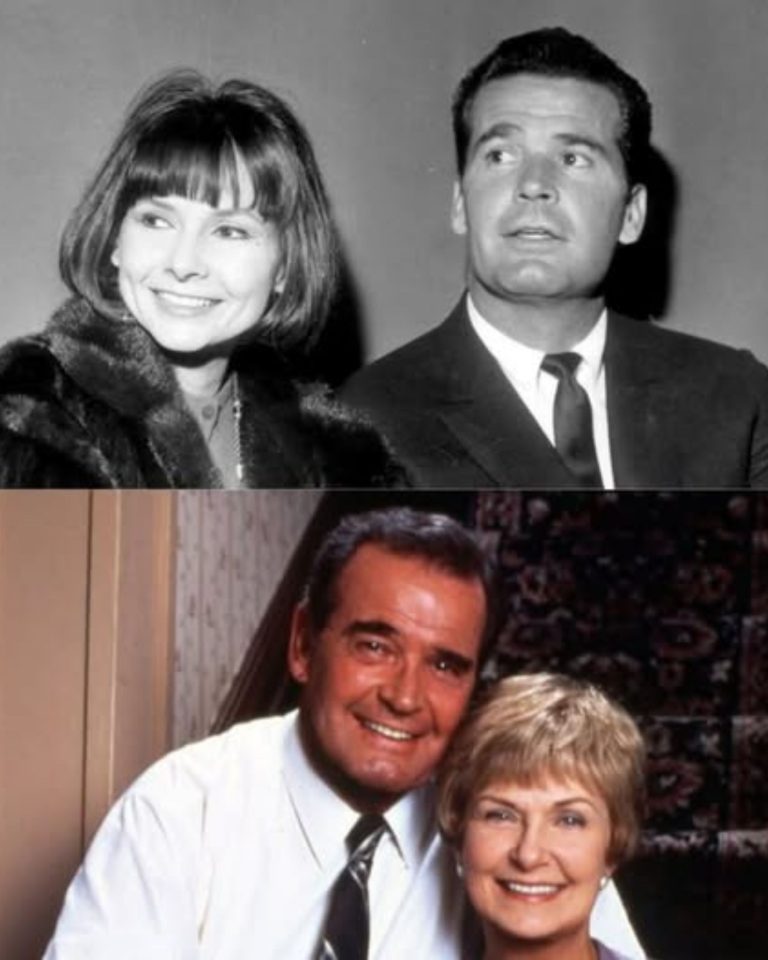
Garner’s private life had a different kind of constancy. He met Lois Clarke in 1956, and they married about two weeks later. Their marriage lasted fifty-eight years, until Garner’s death in 2014 at age eighty-six.
Across westerns, detective stories, comedies and dramas such as Murphy’s Romance, Garner made strength seem conversational rather than showy. His performances suggested that facing difficulty did not require pretending to enjoy it—or making a spectacle of enduring it.