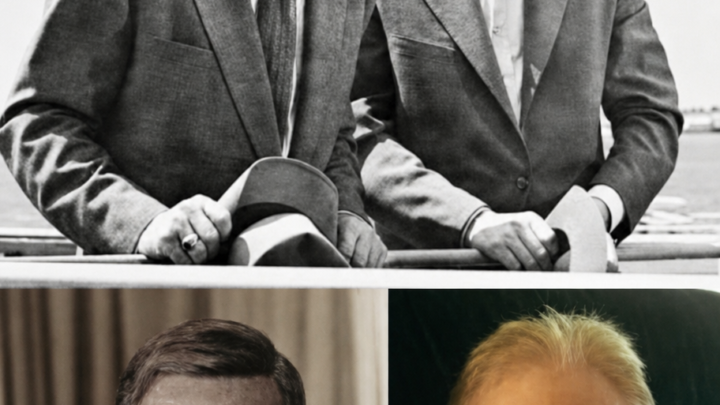
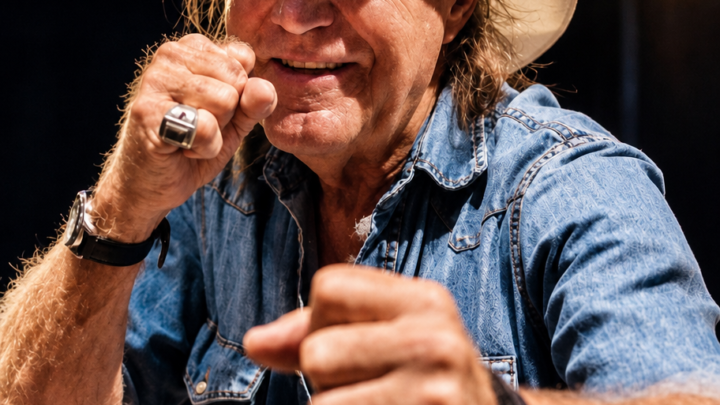
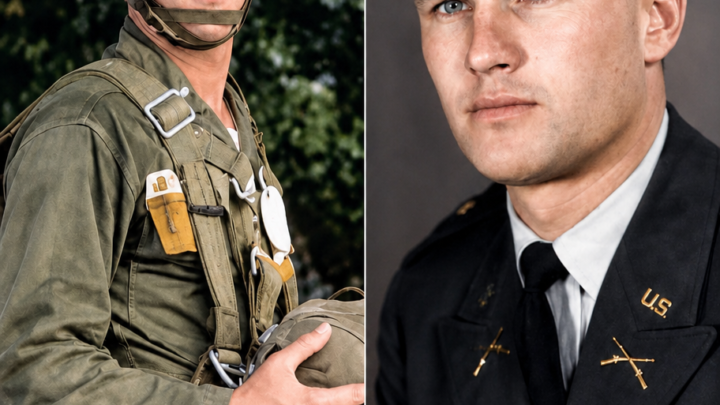
Billy Joe Shaver was determined to get Waylon Jennings to hear his songs. When Jennings kept putting him off, the struggling songwriter returned a $100 bill and confronted him in a Nashville hallway. The tense encounter ended with Jennings listening—and helped lead to the 1973 album Honky Tonk Heroes.
The two men had crossed paths around the 1972 Dripping Springs Reunion. Shaver played “Willy the Wandering Gypsy and Me,” and Jennings liked it enough to invite him to Nashville with more songs. For Shaver, who was broke and trying to get his work heard, the invitation offered a chance to make a case for his writing.
But the promised meeting did not happen right away. Jennings reportedly sent Shaver a folded $100 bill and asked him to go away. Shaver, who needed the money, sent it back. He wanted Jennings to listen, not to pay him off.
The songs that changed the meeting
Shaver eventually found Jennings in a hallway and pressed him to keep his promise. Shaver later recalled telling Jennings that if he would not listen, they would settle the matter there. Jennings agreed to hear him out.
Shaver played one song, then another. The songs, in the account of their meeting, struck Jennings as a coherent set, with the language and rough-edged character of modern Texas cowboy life. Instead of choosing a single number to record, Jennings decided to build nearly an entire album around Shaver’s writing.
That project became Honky Tonk Heroes, released in 1973. Almost the whole album was written by Shaver, giving his songs a much larger platform and helping sharpen the identity of Jennings’ outlaw-era records. It also made the meeting more consequential than a straightforward songwriter pitch: a frustrated writer had pushed for a hearing, and the songs he brought shaped a landmark Jennings album.
The story’s details underline how uncertain the opportunity looked before Jennings listened. Shaver had returned the money, but still had no guarantee of a session or a record. What followed depended on the songs themselves—and on Jennings recognizing that they belonged together. Honky Tonk Heroes became a defining release of his outlaw period, while the confrontation that preceded it remains an unlikely part of the album’s origin story.