Before Ronnie Milsap became a country star, he was studying pre-law and weighing a future that seemed more secure than a music career. A meeting with Ray Charles, Milsap’s musical hero, gave him a different perspective on the choice.
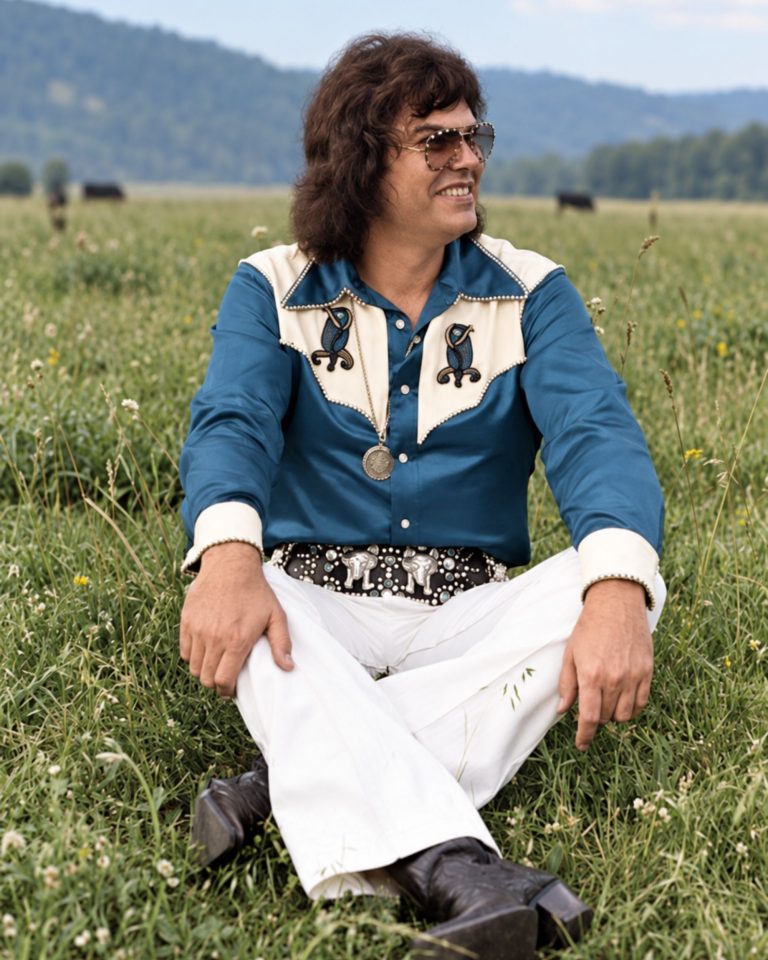
Milsap spent much of his childhood at North Carolina’s state school for the blind, where he studied classical piano and violin. He also found country, gospel and rhythm and blues through late-night radio. But when he considered pursuing music professionally, counselors warned that it might leave him dependent on the state, Milsap later recalled.
After graduating in 1962, he enrolled at Young Harris College to study pre-law. While he was still a student, he met Charles, who heard him play and encouraged him not to turn away from music for a safer profession. Milsap’s official biography recalls Charles’s message as an ability to hear the music inside him.
Years of work before Nashville
The encouragement did not bring immediate success or a quick move to Nashville. Milsap spent time playing in Atlanta clubs, working in soul and R&B, and recording for small labels. He later reached Memphis, where he worked around Chips Moman’s American Studio and played piano on Elvis Presley’s “Kentucky Rain.”
By the early 1970s, Milsap had experience across several musical settings, but had not yet found the career that would make him widely known. Charley Pride urged him to try Nashville. On December 26, 1972, Milsap arrived to headline the showroom at the King of the Road Hotel. He had a manager within weeks and was recording for RCA within three months.
A wider country sound
Milsap brought soul phrasing, pop sensibilities and piano-led arrangements into country music. His work also reached pop and adult contemporary audiences, while remaining rooted in country. He went on to earn 35 Billboard No. 1 country hits.
His path helps explain the range in his records: classical training and country, gospel and R&B influences all preceded his Nashville breakthrough. The decision that began with a question about a practical career ultimately led to a major place in country music during the 1970s and 1980s.
Charles’s encouragement was one early moment in that longer journey. Between the pre-law classroom and Nashville were years of clubs, sessions and studio work—but the music Milsap had been urged to trust would become central to his career.