In the early 1990s, Waylon Jennings made an album about childhood: sisters, mischief, dirt and the small complaints that loom large to kids. Cowboys, Sisters, Rascals & Dirt stood apart from the outlaw-country image built over decades on the road, but its songs reflected a change in what Jennings was paying attention to at home.
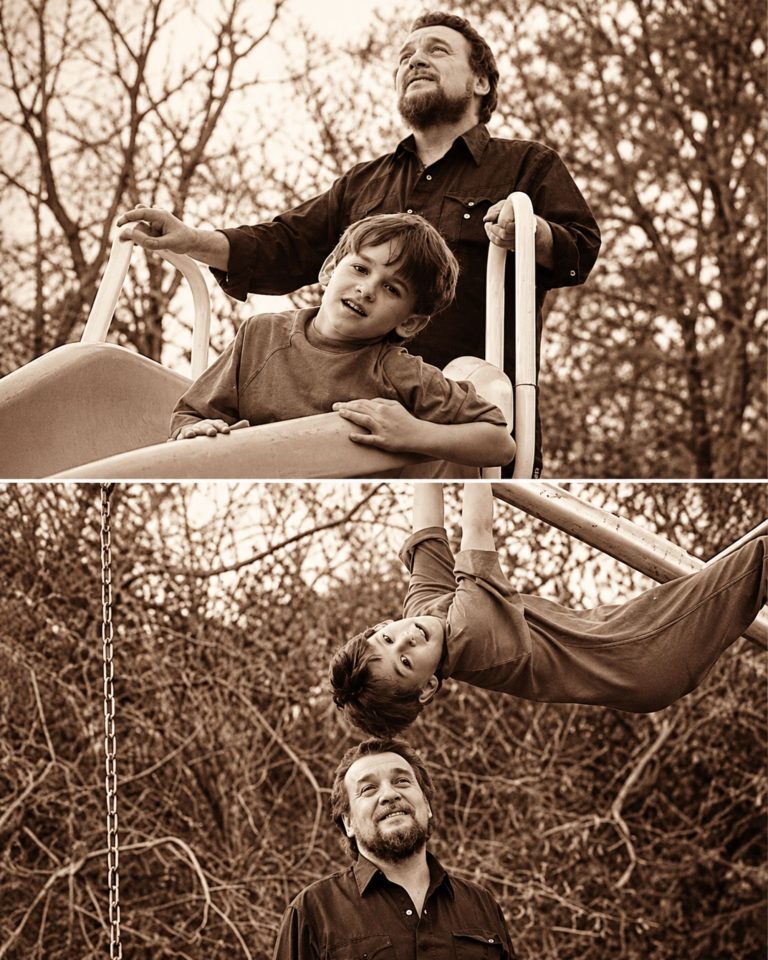
After getting clean in the late 1980s, Jennings spoke more openly about the effects his drug use had on family life. He said it had shortened his patience with his young son, Shooter, and that he could see the worry it caused Jessi Colter. Jennings already had older children from previous marriages; raising Shooter in his forties gave him a different perspective on being present as a father.
In a 1993 interview, he said that when children come early, “you miss too much” and may not be ready for what they need. With Shooter, he said, he was paying closer attention. That focus found its way into the album, which took inspiration from Jennings’s own childhood memories and things he heard from children around him.
Songs about the everyday
The material grew from ordinary, kid-sized moments. One song was inspired by a young nephew’s complaint that all his sisters were girls. Another drew on childhood mischief, including putting dirt in his grandfather’s tobacco. The closing track, “Shooter, You Are a Friend of Mine,” was written directly for his son.
Jennings wanted to make music for children without talking down to them. The subjects may have been lighter than those associated with his outlaw years, but he maintained the independent streak that had shaped his career. When a label suggested changing a song over concerns about its lyrics, he took the album elsewhere.
Shooter did not follow his father’s musical path as a child. He gravitated toward rock bands such as Guns N’ Roses and Nine Inch Nails, and Jennings gave him room to pursue his own interests. Shooter later became a musician and producer.
Cowboys, Sisters, Rascals & Dirt did not become one of Jennings’s defining commercial records. Its significance is more personal: it captures a period when he was considering what children need from their parents and turning small observations into songs. After years in which the road had often competed with family life, Jennings made a record that listened closely to childhood—and gave his son a song of his own.