Roy Rogers shared news of his daughter’s birth with a rodeo crowd estimated at 90,000. But within days of Robin Elizabeth Rogers’s arrival on August 26, 1950, her parents faced a private reality far removed from the confident, trouble-defeating world of their Western films.
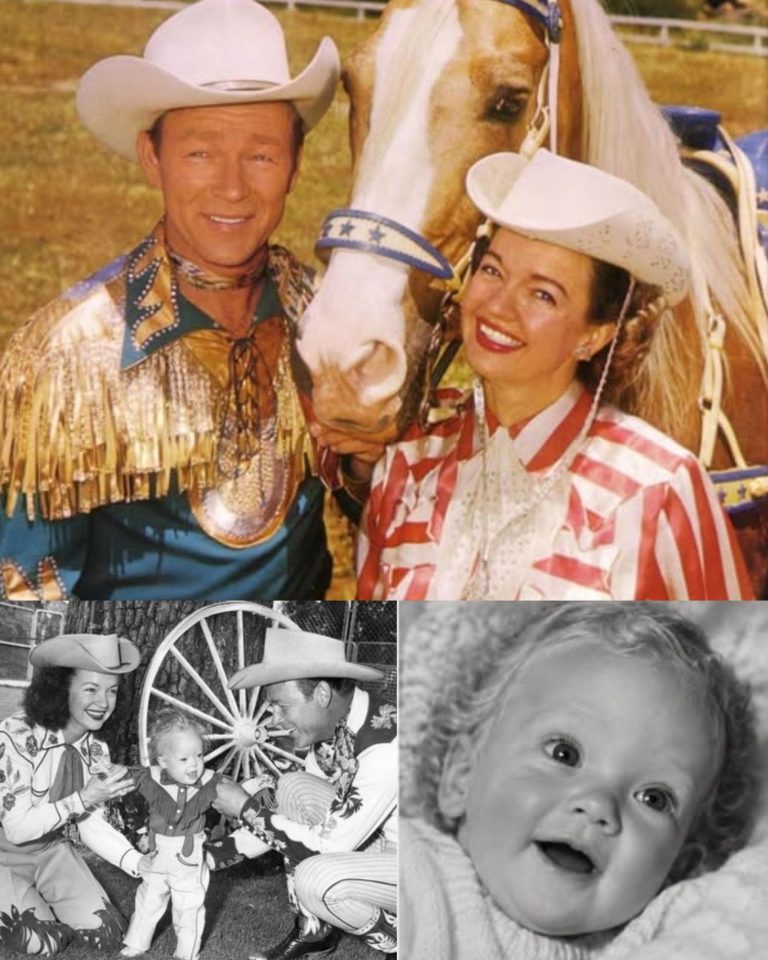
Robin had Down syndrome and a hole in her heart. Dale Evans later recalled that a doctor advised the couple to institutionalize her, saying she was unlikely to live long and would require care that could take time from the other children in their blended family. The recommendation reflected common attitudes of the era, when families were often urged to keep children with intellectual disabilities out of public life.
Roy refused the advice, Dale later recounted. They brought Robin into their home and cared for her as part of the family. Her fragile health made the future uncertain, but her diagnosis did not make her a secret within the household. Meanwhile, Roy and Dale’s public careers continued: The Roy Rogers Show began its television run in 1951.
A short life, and a book
In the summer of 1952, mumps spread through the family. Robin developed encephalitis and died on August 24, two days before her second birthday.
Dale turned her grief into Angel Unaware, published by Fleming H. Revell in March 1953. The 63-page book tells Robin’s story in the child’s voice, imagining her speaking from heaven after her time with the Rogers family. Its religious perspective was personal to Dale, while its account of Robin’s life challenged the expectation that children with disabilities should be hidden away.
The book became the third-bestselling book of 1953, according to later disability histories. At Dale’s appearances, parents began bringing children with Down syndrome to meet her—children who had often been kept from public gatherings because their families feared stigma or rejection.
A legacy beyond the family
Also in 1953, Oklahoma parents established a school for children with developmental disabilities. After reading Angel Unaware, they named it for Dale. The organization grew into the Dale Rogers Training Center, expanding from education into vocational training, employment and other support services.
Robin did not live to see that work develop. But her story traveled from a family’s grief into public view, and later into an organization supporting people with disabilities through adulthood. Roy Rogers was famous for bringing people safely home on screen. In Robin’s case, the defining act was not a cinematic rescue: it was refusing to send his daughter away.