In “Wild Ones,” Waylon Jennings revisited the fight for artistic freedom that had helped define country music’s Outlaw movement. The song appeared on his 1994 album Waymore’s Blues (Part II), released by RCA Records on September 13—marking a return to the label where Jennings had made his name in the early 1970s.
Jennings wrote “Wild Ones” himself. In his 1996 memoir, Waylon: An Autobiography, he described it as a reflection on the period when he, Willie Nelson and his wife, Jessi Colter, arrived in Nashville and challenged the industry hierarchy in pursuit of a more honest country sound.
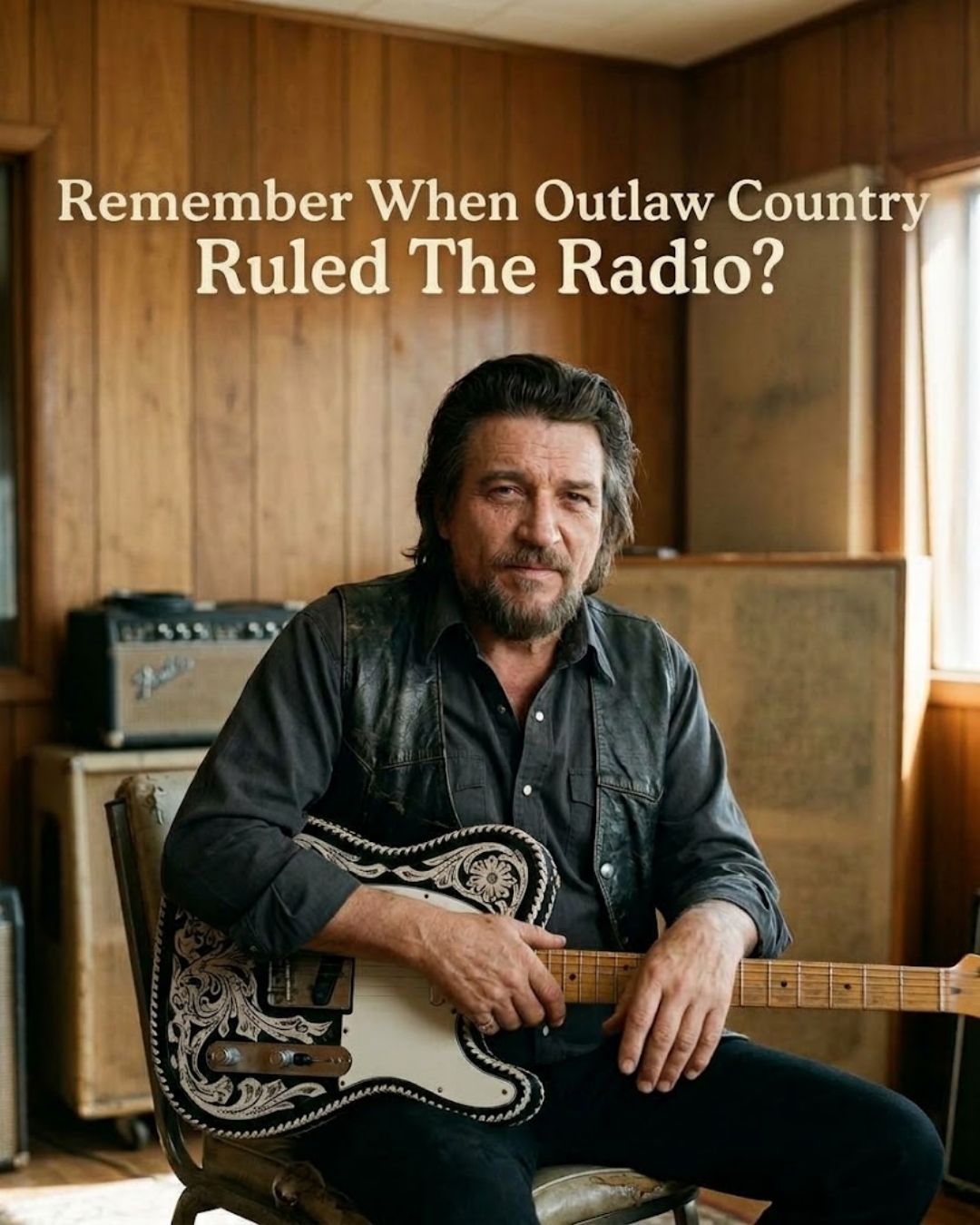
The song’s perspective is less a celebration of outlaw mythology than a look back at what the movement meant to its participants. Its defiance sits alongside a sense of vulnerability, as Jennings considers the mavericks’ stand for creative independence and contrasts it with a Nashville he viewed as increasingly cautious and corporate.
A different sound for a familiar voice
The album was recorded at Ocean Way Recording in the spring of 1994, with Don Was producing. Jennings reportedly urged his studio band to set aside what they already knew about his playing before they began. Was placed the singer’s distinctive baritone in a warm, impressionistic setting rather than relying on glossy arrangements.
The musicians on “Wild Ones” included guitarist and harmonica player Tony Joe White, Benmont Tench on organ, Kenny Aronoff on drums, Robby Turner on pedal steel, Mark Goldenberg on guitar and Was on bass. Their performance gives the song a roots-oriented backing for Jennings’ account of the people who once unsettled Nashville’s established order.
RCA released the album with a music video directed by Deaton Flanigen. Waymore’s Blues (Part II) reached No. 63 on Billboard’s Top Country Albums chart. The project received little attention from commercial country radio, which was favoring younger crossover artists at the time.
The sessions also helped renew Jennings’ creative confidence. Was went on to produce the Highwaymen’s 1995 album The Road Goes on Forever, which followed the 1994 project. “Wild Ones” remains a personal account of the Outlaw era—not just its rebellion, but the artistic convictions Jennings believed were behind it.