In 1972, Waylon Jennings was ill, exhausted and discouraged by a career that did not give him the freedom he wanted in the recording studio. Richie Albright, the drummer who had known his music since their Arizona club days, understood that the problem went beyond choosing the next song or producer.
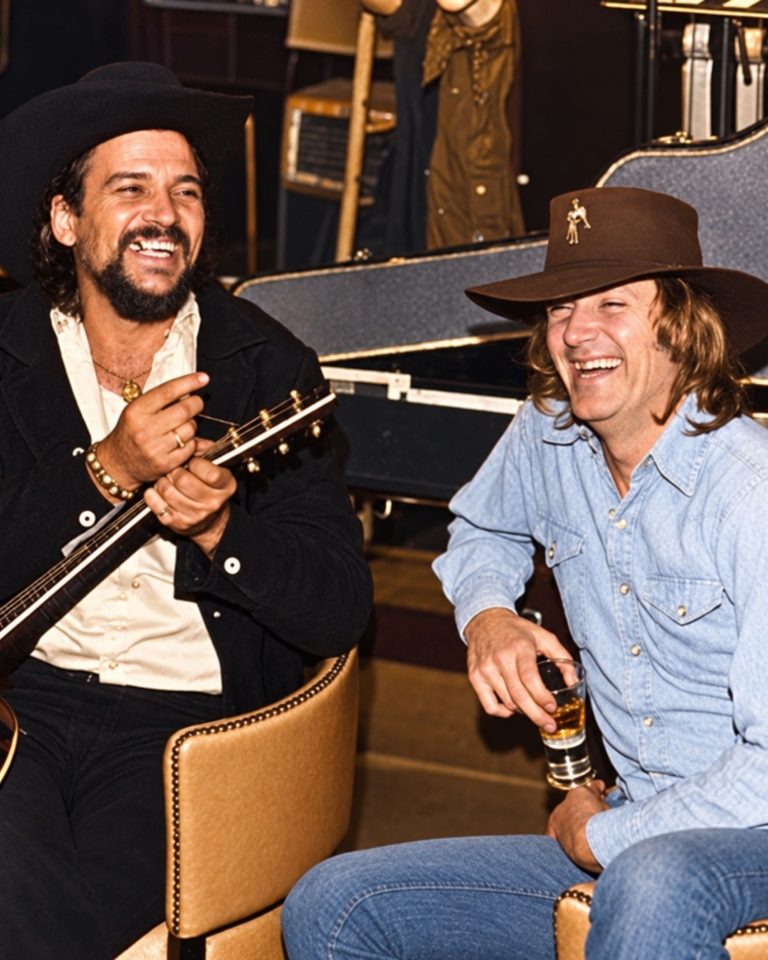
Jennings had built a distinctive sound with his touring band, the Waylors. But at RCA, recording decisions generally followed Nashville’s established system, with producers and studio musicians shaping the sessions. The Waylors could perform alongside Jennings on the road, then find themselves outside the process when his records were made. Jennings’ voice was on the finished tracks, but the band’s feel—and the space his phrasing needed—could be lost.
A sound built on the road
Albright had learned how to play with Jennings in Arizona during the first half of the 1960s. Jennings often pulled against the beat, and Albright’s job was to give the music weight without crowding the vocal. His drumming drew on rock and R&B influences, creating a more forceful pulse than the tidy arrangements common in many Nashville sessions.
Albright went with Jennings when the singer moved east, and helped form the Waylors. He eventually left the road, worn down by the touring schedule, but their working relationship endured. In the early summer of 1972, when Jennings was suffering from hepatitis and facing professional uncertainty, Albright returned to see him.
The business behind the records
Albright recognized that Jennings needed more than encouragement: he needed greater authority over the music released under his name. He helped bring manager Neil Reshen into the picture. Reshen, whose clients included Miles Davis and Frank Zappa, approached the business arrangements from outside Nashville’s customary system.
Reshen worked on the contracts governing Jennings’ recording, agency and publishing arrangements. The renegotiated RCA deal gave Jennings greater control over his recordings, including the ability to produce his work, choose material and use musicians he trusted. The change made room for the Waylors’ sound in the studio, not just onstage.
The results could be heard on albums including Lonesome, On’ry and Mean and Honky Tonk Heroes. Albright’s drums pushed the music forward, while steel guitarist Ralph Mooney added a distinctive ache. The records helped define what would become known as outlaw country, though the shift also depended on practical changes in contracts and studio access.
Jennings called Albright his right hand. The drummer’s place in his life extended beyond the band: Jennings and Jessi Colter gave their son the name Waylon Albright Jennings, later known as Shooter. Albright died in 2021, aged 81. His legacy includes not only a beat that helped shape Jennings’ records, but a role in the moment his friend began to make them on his own terms.