In 1974, Tina Turner released a solo album built around country and folk songs, years before the breakthrough of Private Dancer reshaped the public story of her career. Yet Tina Turns the Country On! was made at Bolic Sound, the Inglewood studio at the heart of Ike Turner’s musical operation, while Tina was still working within the Ike & Tina Turner Revue.
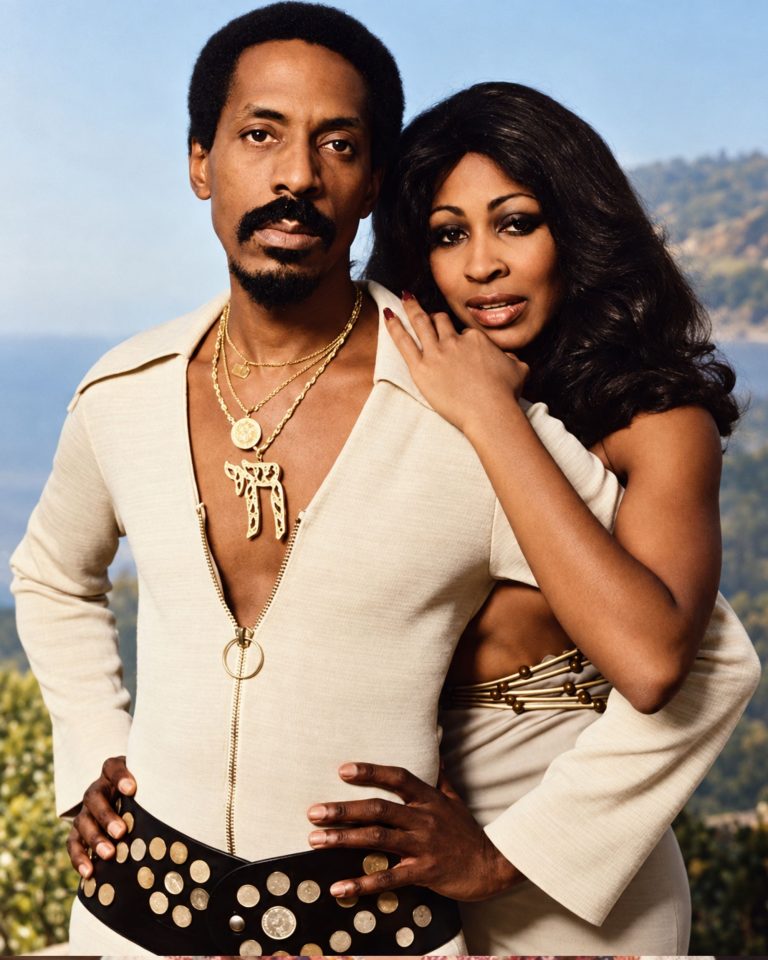
The album’s name appeared without Ike’s, but that credit did not mean Tina had already begun an independent life. She remained in the marriage and the revue for nearly two more years. Tina later described years of abuse by Ike; the album itself should not be recast as a documented declaration of escape.
A country album on its own terms
Tina began recording at Bolic Sound in June 1974, with producer Tom Thacker and a group that included guitarist James Burton and pianist Glen D. Hardin. The ten-song collection drew from a wide range of writers: Kris Kristofferson’s “Help Me Make It Through the Night,” Dolly Parton’s “There’ll Always Be Music,” Hank Snow’s “I’m Moving On,” and two songs by Bob Dylan. James Taylor and other pop and folk material also featured.
Rather than imitate a conventional Nashville sound, the arrangements gave Tina room to shape the songs with a voice already known for its force onstage. The album’s measured settings called for a different kind of intensity. Reviewers noted her range, and Billboard suggested the record could find listeners across soul, pop and country.
Recognition, but not a chart breakthrough
United Artists released the album in 1974. It did not chart, and its major award recognition came with a 1975 Grammy nomination for Best R&B Vocal Performance, Female. The nomination honored Tina’s singing, but its category also showed how the industry continued to classify a Black woman performing a country-focused album through an established R&B lens.
In July 1976, Tina left Ike after a violent confrontation in Dallas. Her later solo success, particularly Private Dancer in 1984, became the usual starting point for accounts of her independent career. That familiar arc can obscure the earlier album: a solo record made before she had secured personal independence, and one that struggled to find a lasting place in the market.
Rhino reissued Tina Turns the Country On! on vinyl in November 2024, five decades after its original release. Its return does not change the record’s commercial history. It does make an overlooked part of Tina Turner’s recording career easier to hear—and complicates the idea that her solo story began only with her 1980s comeback.