The Bee Gees’ “Too Much Heaven” became more than a chart success. The ballad, released in December 1978 as the lead single from their album Spirits Having Flown, reached No. 1 on the US Billboard Hot 100 in March 1979. Its enduring story also includes a commitment the brothers made to support UNICEF’s work for children.
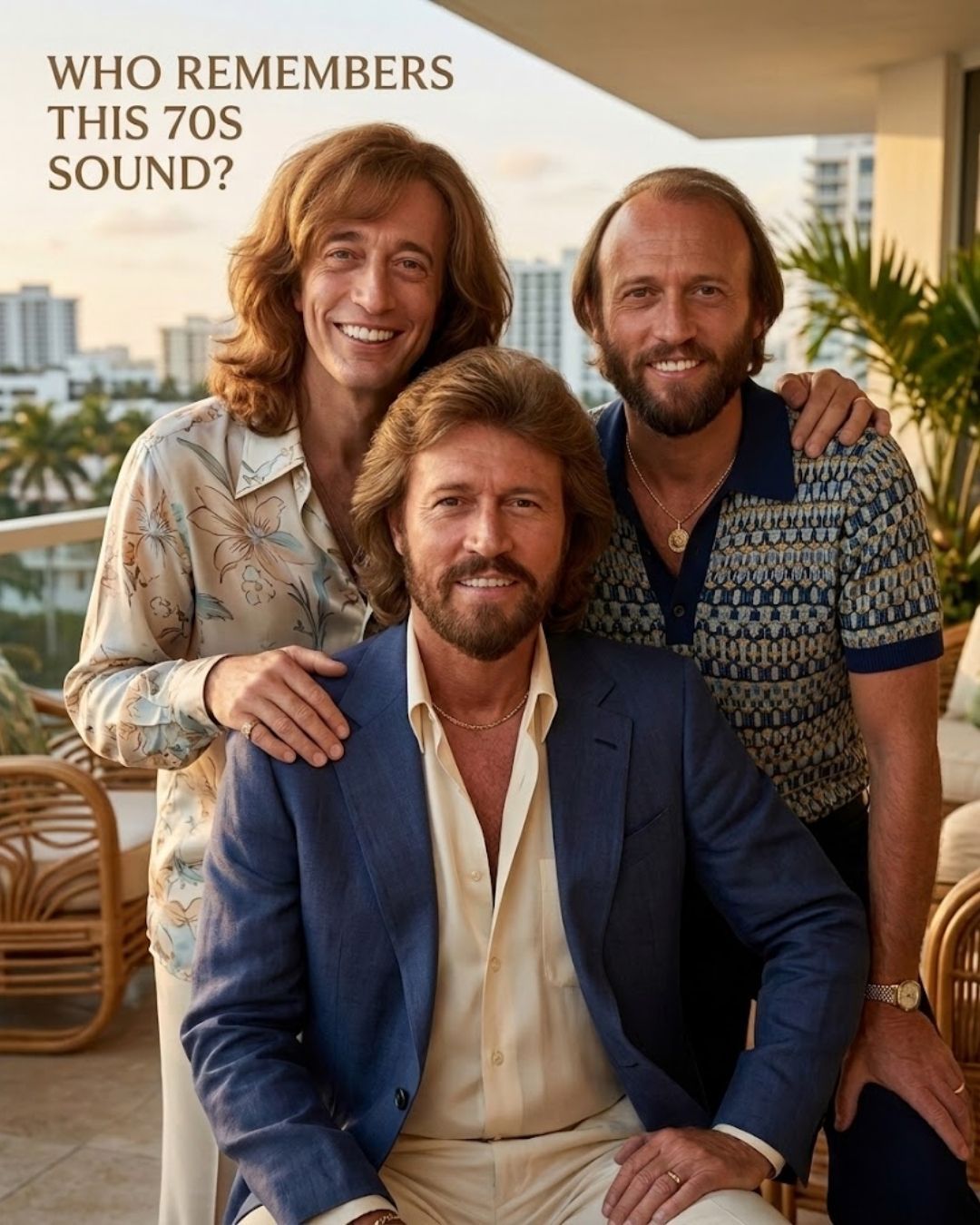
The song followed the group’s major success with the Saturday Night Fever soundtrack. Rather than repeat its dance-driven sound, Barry, Robin and Maurice Gibb recorded a softer track built around layered falsetto harmonies, acoustic guitar and a restrained rhythm. The arrangement put the trio’s vocals at the center, giving “Too Much Heaven” a distinct place in their late-1970s catalogue.
Its chart run was already underway when the Bee Gees took part in the Music for UNICEF Concert at the United Nations General Assembly in January 1979. At the event, the brothers pledged the song’s publishing royalties in perpetuity to the Music for UNICEF Fund. The pledge was tied to the song’s publishing royalties—not every form of income from the recording—and gave a hit single a continuing philanthropic purpose.
The track went on to top the Billboard Hot 100 that March, extending the Bee Gees’ success during the period surrounding Saturday Night Fever. The UNICEF commitment connected that commercial achievement to fundraising for children around the world. The song’s success and the pledge therefore developed on parallel timelines: it was released in December, the commitment followed in January, and its US chart peak came in March.
“Too Much Heaven” remains associated with both its carefully layered vocal sound and the royalties pledged to UNICEF. The decision made the song’s legacy about more than its place on the charts, linking the Bee Gees’ pop success to a long-term contribution to humanitarian work.