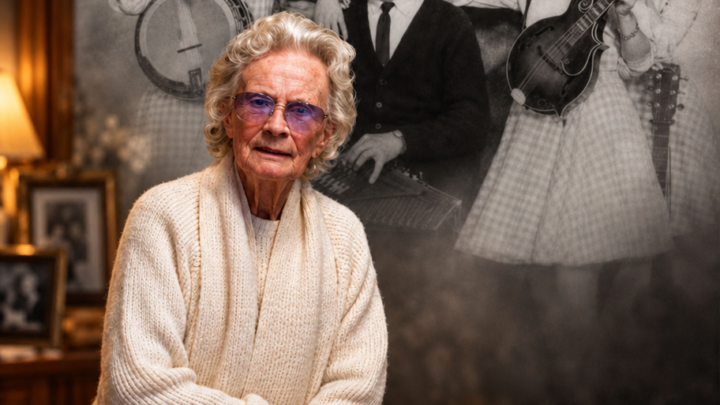
In 1937, Fred Maddox went to a Modesto furniture dealer with a plan to put his brothers on local radio. The potential sponsor had one condition: the group needed a girl singer. Fred named his eleven-year-old sister Rose, whose experience was limited to singing around migrant camps and learning songs from the performers she heard on radio and at the movies.
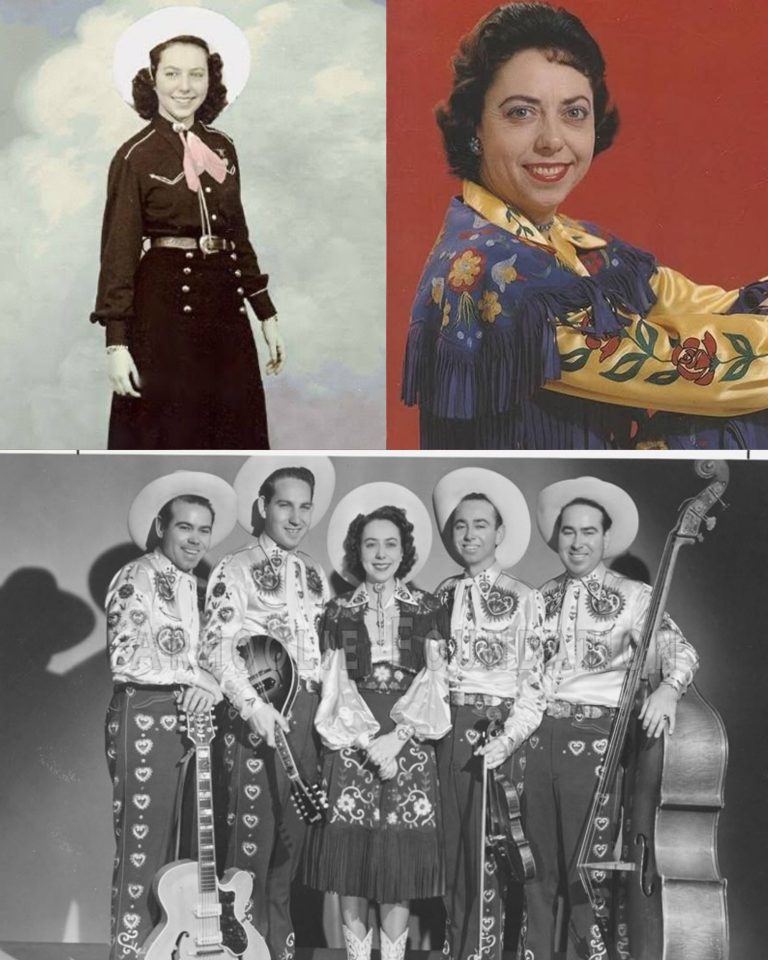
Rose had not set out to become a professional singer. But the radio opportunity offered the family a possible alternative to following seasonal work across California—and the sponsor’s request brought her into the act.
From Alabama to California
The Maddox family left Alabama in 1933, after the collapse in cotton prices undermined the sharecropping work that had supported them. With about $35, they made their way west by freight train and hitchhiking, sometimes relying on railroad workers for food. Reaching California did not mean finding steady work or a home. The family moved with the harvests, picking crops to get by.
Music was part of their lives, but not yet a reliable livelihood. Fred later recalled thinking about the possibility of earning money as musicians while working in a cotton field. He approached KTRB in Modesto and secured the furniture dealer’s interest in sponsoring the family band.
Rose’s job quickly extended beyond singing. Fred was uncomfortable reading advertising copy, so she delivered the commercials, too. Fred later recalled thousands of letters arriving in the band’s first week. Listeners also walked to the rural station to watch the family perform through its windows.
A family act takes shape
The band’s progress was interrupted during World War II, when several of Rose’s brothers entered military service. After the family reunited, the Maddox Brothers and Rose returned with vivid Western outfits and a high-energy sound combining country, gospel and boogie influences. They billed themselves as “The Most Colorful Hillbilly Band in America” and became a prominent West Coast country act in the 1940s and ’50s.
Rose was no longer simply the girl added to meet a sponsor’s condition. Her forceful singing and animated stage presence helped define the group. After the family act broke up in the 1950s, she continued recording, including duets with Buck Owens, and made the early bluegrass album Rose Maddox Sings Bluegrass in 1962.
In 1996, Rose received her first Grammy nomination for $35 and a Dream. The title recalled the money and hope the family carried west. Between them lay years of migrant labor—and the radio opening that gave Rose a career of her own.