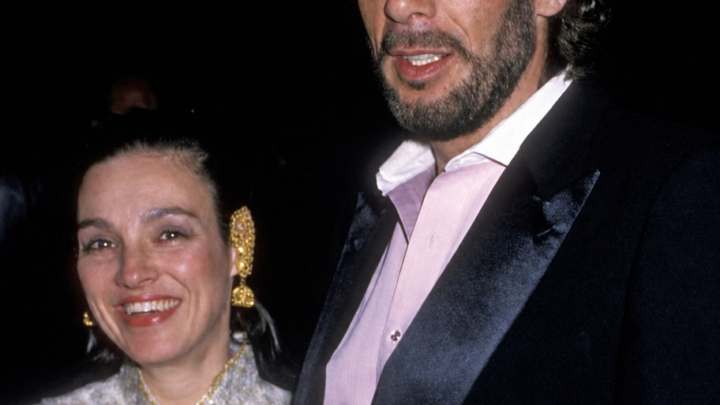
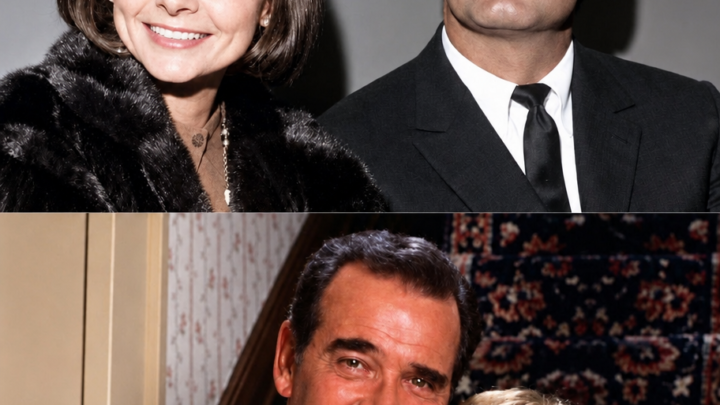
Jerry Reed’s path to country stardom began in a household where the steadier music income came from his wife, Priscilla Mitchell. Before his RCA albums and major hits, she was earning money as a Nashville studio singer—and building a recording career of her own.

The couple married in 1959, while Reed was serving in the Army. Their daughter Seidina was born the following year. Reed had recorded for Capitol and written songs other performers used, but his early records had not established him as a star. After his military service, he returned to the uncertain mix of songwriting, session work and attempts to make records under his own name.
Mitchell already had professional singing experience. In Nashville, she took background-vocal work, lending her voice to other performers’ recordings. The job offered little public recognition, but the income helped support the family. Reed later credited her studio singing with keeping them going through those early years.
A hit under her own name
In 1965, Mitchell moved from supporting other singers to the center of a record. Producer Jerry Kennedy paired her with country singer Roy Drusky on “Yes, Mr. Peters,” a song written by Steve Karliski and Larry Kolber.
The recording unfolds as a telephone conversation. Mitchell plays a woman speaking to her married lover, while Drusky disguises their exchange by addressing her as “Mr. Peters” and presenting the call as business. Mitchell’s restrained delivery helps the listener follow both the affair and the cover story.
Released in May 1965, the duet reached No. 1 on Billboard’s country chart and stayed there for two weeks. It became Drusky’s only chart-topper and Mitchell’s biggest hit. At the time, Reed had been signed to RCA Victor by Chet Atkins, but his first album for the label was still two years away.
Mitchell continued recording with Drusky and released solo material, though she did not repeat the success of “Yes, Mr. Peters.” Reed’s own career soon gathered momentum. His first RCA album arrived in 1967, followed by “Guitar Man” and, later, hits including “Amos Moses” and “When You’re Hot, You’re Hot.”
As his public profile grew, Mitchell’s recording career became less prominent. Their second daughter, Lottie, was born in 1970. In later years, Mitchell again worked alongside Reed, singing background vocals and playing keyboards on the road. She also sang on his 1995 album Flyin’ High.
The couple’s marriage lasted until Reed’s death in 2008; Mitchell died in 2014. Reed’s fame came to define much of the family’s public story, but the earlier timeline is striking: before he became a household name, Mitchell’s singing helped sustain the family—and put her at the top of the country chart.