Eric Clapton’s feelings for Pattie Boyd shaped “Layla” while she was married to his friend George Harrison. The song emerged from a relationship tangled with friendship, unreturned love and a real-life marriage—not a fictional romance.
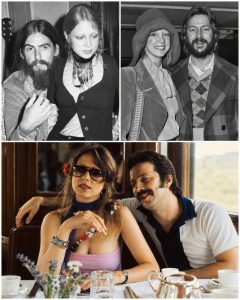
Clapton and Harrison already shared a musical connection: Clapton played the lead guitar part on Harrison’s “While My Guitar Gently Weeps.” But Clapton fell in love with Boyd, and she initially rejected him. The situation left him with feelings he could not resolve openly while Harrison remained his friend.
Those emotions informed the sessions for Derek and the Dominos’ 1970 album, Layla and Other Assorted Love Songs. Clapton later acknowledged how strongly his feelings for Boyd influenced the record. The title track drew its name from the Persian tale of Layla and Majnun, in which Majnun becomes consumed by love for someone he cannot have. Clapton saw a connection between that story and his own circumstances.
That background gives “Layla” its particular tension: the song’s longing was directed at a woman who was still married to someone Clapton knew well. Boyd did not leave Harrison when Clapton first revealed his feelings, and the song did not resolve the situation. Instead, it made the private conflict audible to a much wider audience.
The relationships changed over time. Boyd and Harrison divorced in 1977, and Boyd married Clapton in 1979. Harrison nevertheless remained on friendly terms with Clapton and attended the wedding celebration. Their continuing connection did not fit a simple story of a friendship permanently broken by the love triangle.
Clapton and Boyd’s marriage also ended. It was troubled by infidelity and Clapton’s personal problems, and they divorced in 1988. By then, the relationship that had helped inspire “Layla” was over, while the song endured as one of rock’s best-known expressions of desire.
The story behind the track is not simply that Clapton eventually married the woman he had written about. It is also that the real-life outcome was temporary, while the song’s plea outlasted the marriage—and Harrison remained part of Clapton’s life through the upheaval.