When Michael Bolton released “Said I Loved You…But I Lied” in October 1993, its title sounded like a confession of betrayal. The song’s central idea, though, was the opposite: love felt so immense that the familiar words seemed inadequate. That tension gave the ballad its memorable twist—and helped it stand apart from a straightforward declaration of devotion.
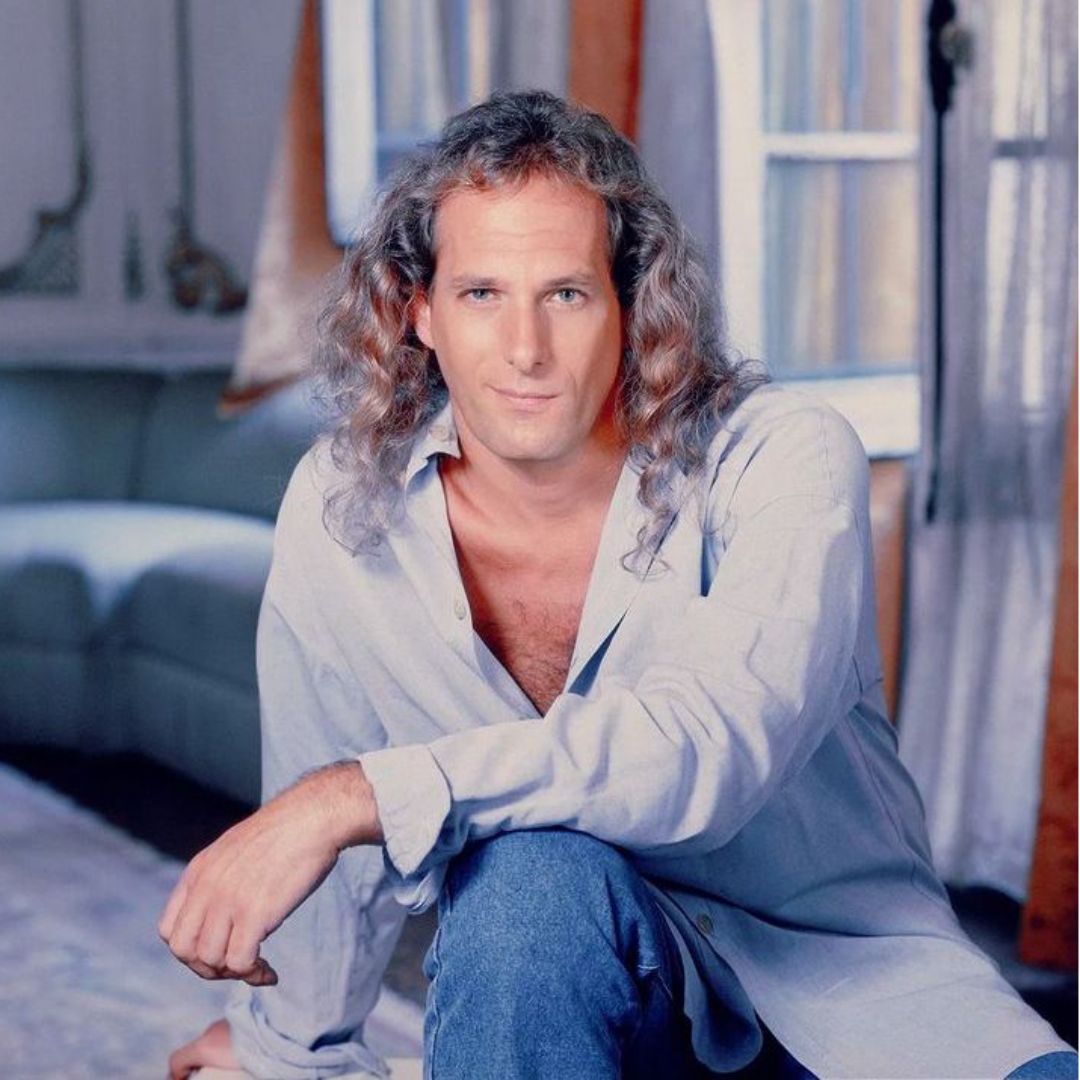
Bolton co-wrote and co-produced the track with Robert John “Mutt” Lange, who also contributed background vocals. It was the lead single from Bolton’s album The One Thing. Bolton later explained that he and Lange wanted to express love from a perspective he had not heard before. In the chorus, the apparent lie becomes a declaration of deeper sincerity: the singer means more than the words “I love you” can convey.
The recording’s expansive sound was carefully assembled. Bolton’s full-bodied lead vocal sits over an arrangement featuring Dann Huff on guitar and Philip Nicholas on keyboards and programming. At just over five minutes, the track has room to build rather than hurry toward its chorus.
Huff later recalled Bolton’s attention to the guitar’s precise textures. Musicians repeated chord strums as they worked on the balance between dynamics and rhythm, spending hours shaping the part. Huff also said he had to persuade Bolton to let him record an acoustic-guitar solo. The finished arrangement’s smoothness, then, came through detailed work on tone, movement and space.
The song reached No. 6 on the US Billboard Hot 100 and No. 15 in the United Kingdom, while topping the US Adult Contemporary chart. Bolton received a 1995 Grammy nomination for Best Male Pop Vocal Performance.
Its appeal is not only a matter of chart performance. Bolton’s rising vocal remains tender as the polished arrangement grows, while Lange’s production gives the song a distinctive shape. Bolton has called it one of his favorite records, citing its unusual chords and sounds. Decades later, its premise still feels recognizable: sometimes even a declaration of love seems too small for what someone wants to say.