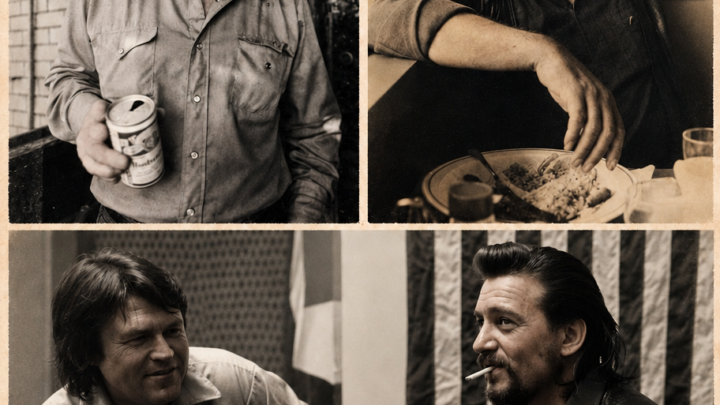
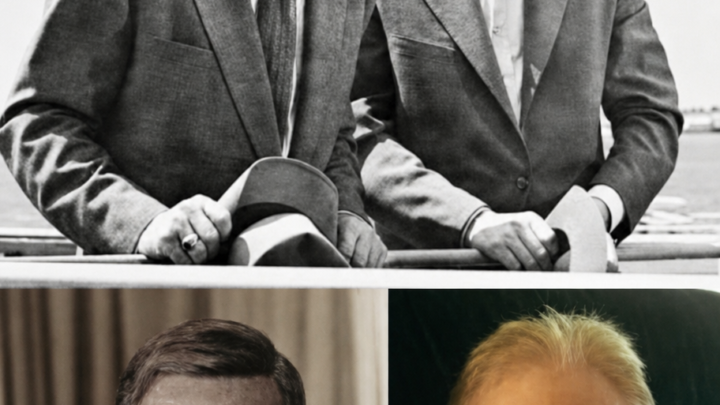
Gram Parsons’ body was meant to leave Los Angeles for burial in Louisiana. Instead, his road manager, Phil Kaufman, took the coffin from Los Angeles International Airport and drove it back toward Joshua Tree, acting on a promise he said Parsons had made.
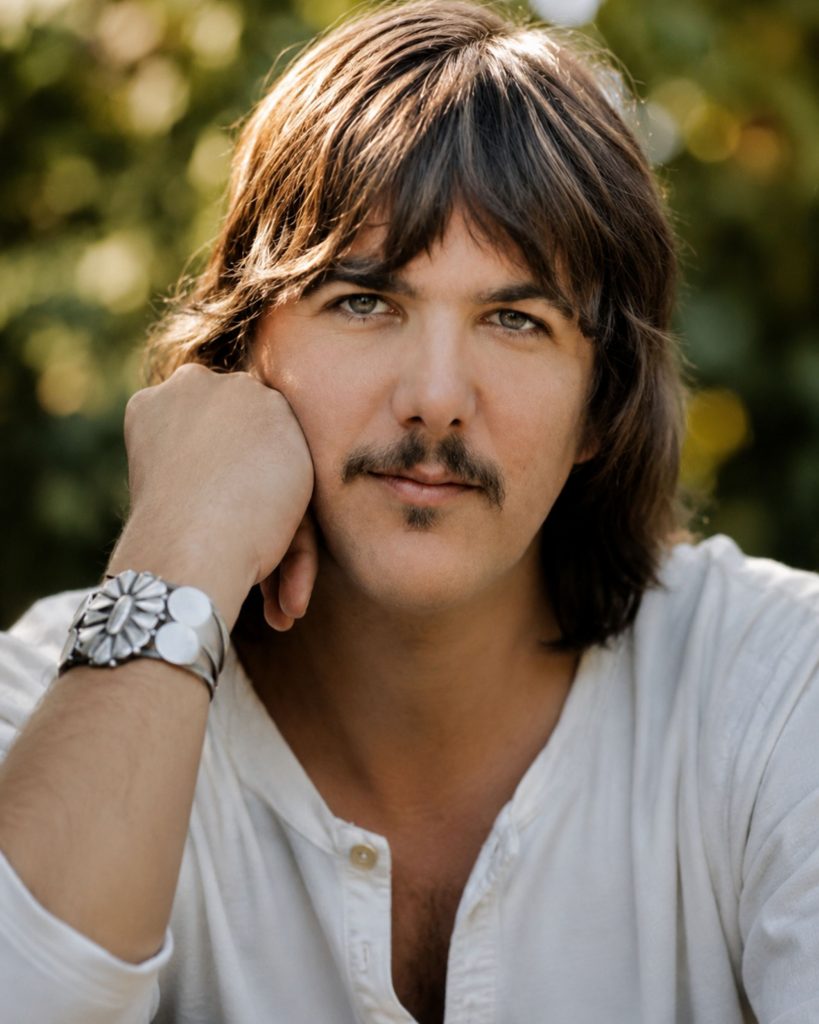
Parsons died at 26 on September 19, 1973, after a drug overdose at the Joshua Tree Inn. He had returned to the desert more than once, but his influence reached well beyond it. He brought country music into the Byrds and helped form the Flying Burrito Brothers, blending country with rock, soul and gospel. He called that sound “Cosmic American Music.”
### A plan changed at the airport
After Parsons’ death, his family arranged for his body to be flown to Louisiana. Kaufman later said he remembered Parsons expressing a wish to be cremated in Joshua Tree rather than given a formal funeral.
Kaufman and Michael Martin went to LAX in a borrowed hearse and posed as mortuary workers. They managed to take the coffin before it could be sent east, then drove toward the desert. The act was not authorized by Parsons’ family, and it turned a private funeral plan into a highly unusual episode in rock history.
Near Joshua Tree, the two men opened the coffin, poured gasoline inside and set it alight. The attempt did not fully cremate Parsons’ body. Authorities recovered the remains, which were ultimately buried in Louisiana.
Kaufman and Martin were punished for stealing and damaging the coffin, rather than for stealing a body. The episode’s practical outcome was far from the cremation Kaufman said Parsons had wanted: Parsons was buried in Louisiana, while the story of the desert fire became closely tied to his connection with Joshua Tree.
### The music beyond the myth
The coffin theft is an extraordinary part of Parsons’ story, but it can overshadow the work that made his name matter. His recordings helped bring country sounds into contact with rock and other styles, influencing later musicians, including Emmylou Harris and the Eagles.
Parsons’ funeral plans ended in a way neither his family nor his friend had arranged. Yet the account of Kaufman’s attempt to honor a remembered promise remains bound to the desert—and to the restless, hard-to-classify music Parsons left behind.