Dionne Warwick’s “I Say a Little Prayer” sounds buoyant, but its lyric follows a woman’s quiet worry for someone far away. That contrast helped make the song distinctive—and its path from recording session to release was less straightforward than its polished sound suggests.
A private ritual set to music
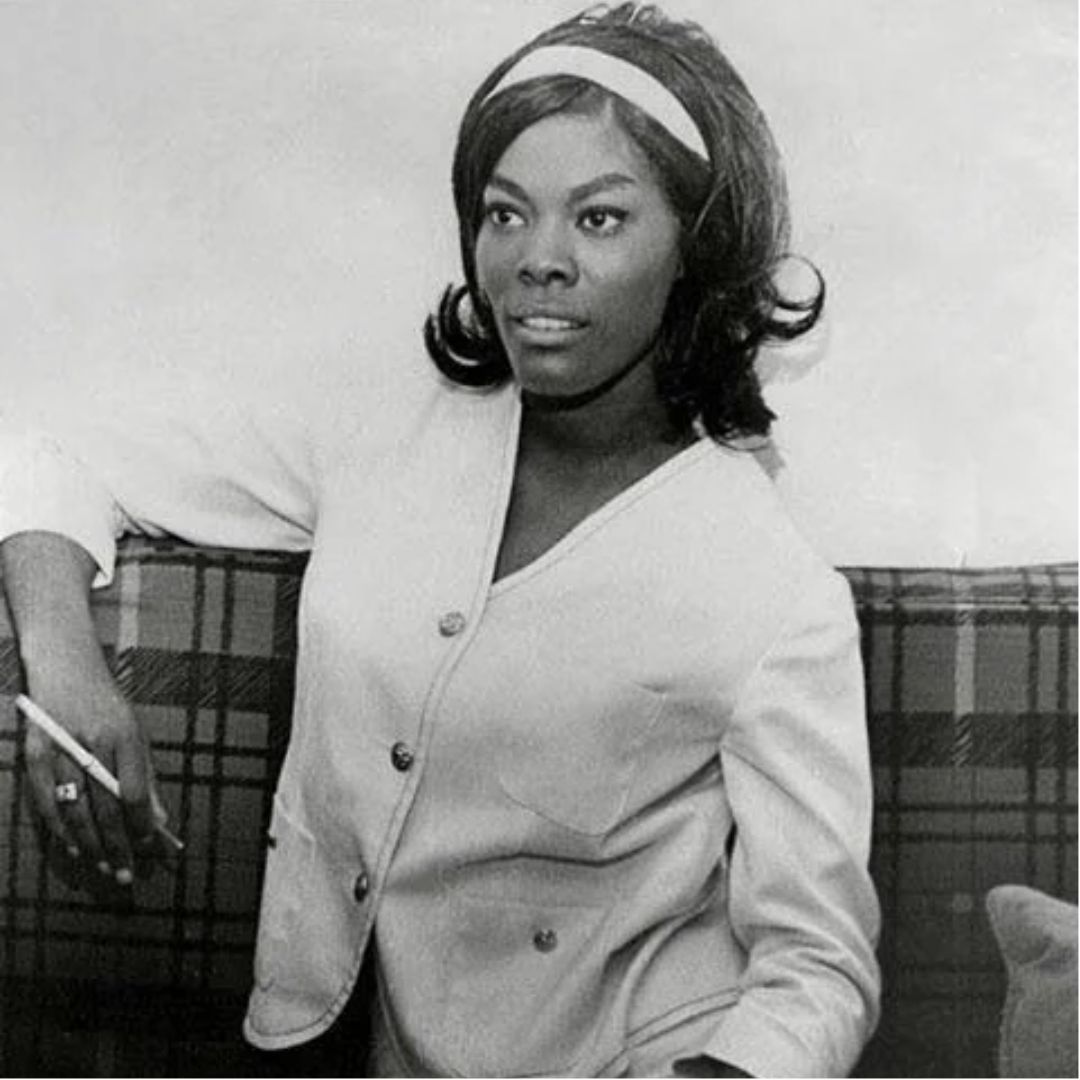
Burt Bacharach and Hal David wrote the song for Warwick. David later explained that he imagined a woman whose partner was serving in the Vietnam War. The lyric turns everyday routines into moments of remembrance: she thinks of him as she goes through her day and hopes he will return safely. Rather than presenting a grand declaration, the song makes devotion feel like a habit woven into ordinary life.
Warwick recorded it in New York on April 9, 1966. Bacharach, who often needed fewer takes to complete a recording with her, called for ten. He remained dissatisfied, feeling that the performance seemed rushed and that the brisk arrangement did not quite match his intentions. The track was not immediately released.
From album track to single
The song’s fortunes shifted when it was included on Warwick’s 1967 album “The Windows of the World.” Scepter Records president Florence Greenberg wanted it on the album despite Bacharach’s reservations. After the album came out in September, radio disc jockeys began selecting the track. It was issued as a single in October 1967, with “(Theme from) Valley of the Dolls” on the other side.
The single reached No. 4 on the Billboard Hot 100 and No. 8 on the R&B chart, becoming one of Warwick’s defining hits. The rhythm contributes to its unusual momentum: the verses and chorus vary in length rather than settling into a predictable four-beat pattern. Warwick’s poised phrasing makes those shifts feel natural, while the arrangement keeps the song light on its feet instead of turning it mournful.
A meaning that travels
The Vietnam-era perspective gives the lyric a particular history, but its central image is not limited to one war. The song can speak to anyone missing a partner or loved one whose absence shadows the routines of daily life. Aretha Franklin’s celebrated 1968 version brought the composition to another musical world, while Warwick’s original remains an especially graceful expression of its intimate premise: a small, repeated prayer carried through the day.