Kris Kristofferson introduces “The Pilgrim: Chapter 33” with a roll call that starts with his friend Chris Gantry and quickly widens to include Johnny Cash, Dennis Hopper, Jerry Jeff Walker and Ramblin’ Jack Elliott. The names hint at the song’s central idea: its flawed, searching character draws on more than one life—including Kristofferson’s own.
Gantry was a fellow songwriter in the Nashville circle Kristofferson entered in the 1960s. He wrote “Dreams of the Everyday Housewife,” recorded by Glen Campbell in 1968. But “The Pilgrim” does not simply turn Gantry into a subject for a biographical sketch. Kristofferson later explained that he began with Gantry and other people he knew, while also recognizing himself in the man he was writing about.
That mix leaves the character open-ended. His mistakes and losses are part of the portrait, but they do not define all of him or determine what comes next. The spoken introduction offers several possible points of connection without assigning every trait to one identifiable person. Rather than presenting a friend’s private life as a complete account, the song brings together qualities Kristofferson recognized in people around him—and in himself.
The title’s number refers to a particular point in Kristofferson’s life, not to earlier installments. He told Terry Gross that he was 33 and in Peru with Dennis Hopper when the title came to him. The song appeared on his 1971 album The Silver Tongued Devil and I, framing the pilgrim as someone with a past who is still moving forward.
The song later found another life in Taxi Driver. In the film, Betsy invokes it while trying to describe Travis Bickle. Kristofferson told Gross he had not known in advance that his work would appear in the movie; he was delighted to see Robert De Niro holding his album and hear the song discussed onscreen.
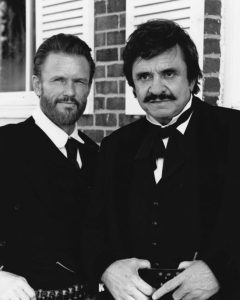
Years later, Kristofferson performed “The Pilgrim” with Cash, Waylon Jennings and Willie Nelson as the Highwaymen. The song had begun with people he knew, but its portrait could travel beyond them. Its subject remains imperfect and unresolved—someone whose failures matter, without being the whole story.