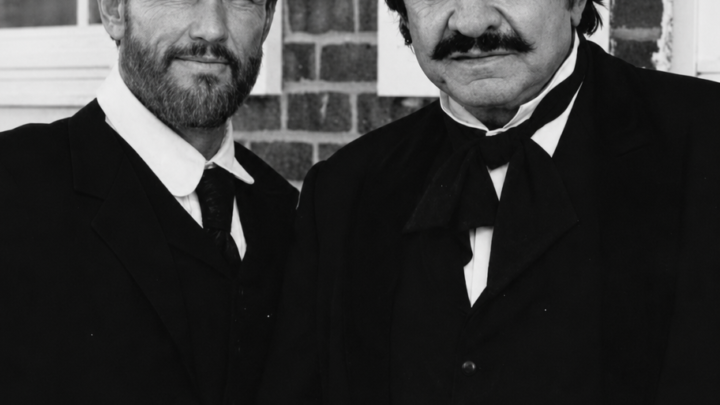
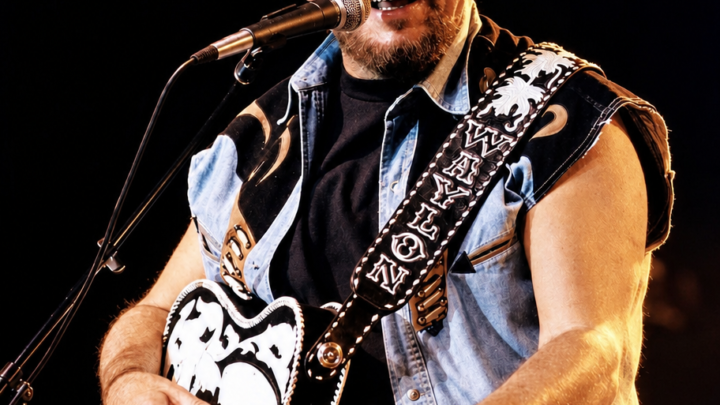
When Buck Owens stopped touring in 1980, he expected the freedom to feel like a reward. Instead, after years of travel and performances, the open hours began to weigh on him. A small Bakersfield publication would eventually give him a new kind of work—and a reason to structure his days again.
Owens had already stopped recording in 1979. He tried filling his time with golf, tennis and racquetball, but leisure did not replace the demands of a working schedule. In a later interview, he described the period as one of boredom and depression. He also recalled wandering through the Bakersfield offices associated with his businesses, sitting with employees before moving on to another room.
The offices were active: his studios and radio stations continued operating, and staff had work to do. But owning businesses did not necessarily give Owens a daily task that needed his attention at a particular time. He told the Los Angeles Times that he seldom touched the guitar he kept close by.
His radio stations presented another complication. Owens said he left programming decisions to their staff, even though he did not care for much of the country music being played at the time. Listener research favored a smoother sound than the hard-edged records that had made his name. The stations had to serve their audiences, not simply reflect their owner’s preferences.
A weekly deadline
Near the end of 1985, Owens spotted an advertisement seeking an investment partner for a local publication. He bought a controlling share, then acquired the rest the following month. With his staff, he changed the publication from a monthly into a weekly shopper delivered around Bakersfield.
The venture brought a different kind of responsibility from recording or touring. It required fresh work for the next issue, then another the week after. In a 1987 interview, Owens called the business a “lifesaver” and said the weekly was reaching 110,000 homes.
His colleague Jim Shaw later described the breadth of Owens’ business interests, including radio stations, publications and real estate, as well as employees who remained with the operation for decades. For Owens, though, the smaller publication mattered in a more immediate way: it gave him problems to solve and deadlines to meet.
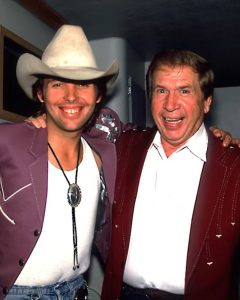
Dwight Yoakam’s invitation and renewed interest in Owens’ music eventually brought him back toward performing. That return is often the most visible part of the story after his time away. But the years in between were not simply a pause. Before he resumed making records, Owens had found another role in Bakersfield—and work that would be waiting for him again the following week.