Willie Nelson’s independence depended on more than his songs and his willingness to leave Nashville’s rules behind. For years, Paul English helped make that freedom workable: he played drums, managed the band’s accounts, collected fees and sometimes put in his own money when the touring operation needed it.
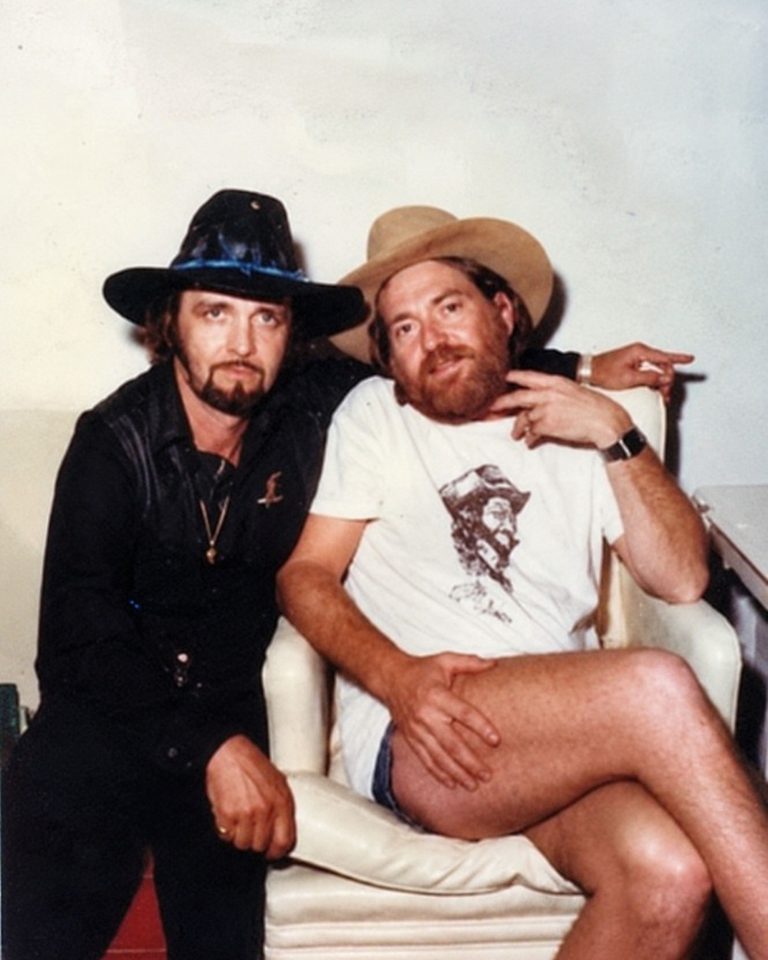
The two men had known each other since their years around Fort Worth’s clubs. English later lived in Houston and sometimes gave Nelson a place to stay when work brought him through town. In 1966, drummer Johnny Bush left to focus on singing. Nelson asked English for another drummer’s phone number. English offered himself for the job.
He had limited experience, but learned to follow Nelson’s distinctive phrasing rather than force the singer into a rigid beat. When Bush left, English also took over the band’s books. He watched expenses and handled payments while taking on road-management duties. Money he had earned outside music helped support Nelson’s struggling band during a period when the songwriter had yet to become a reliable commercial draw under his own name.
The work behind the show
English’s contribution extended well beyond the drum kit. He dealt with club owners over payment, helped ensure musicians were paid and protected the band’s ability to get to its next engagement. His striking stage look—including pointed sideburns and a black satin cape lined in red—became part of the performance, but the less visible work was just as important: keeping track of the money and the road’s practical demands.
Nelson wrote “Me and Paul” in the early 1970s about the pair’s shared life on the road, including arrests, missed engagements and hard miles. Decades later, he told Dan Rather that practically every line had happened, while acknowledging that drink had blurred some memories of one episode. The song presents the two men as companions moving through those experiences together.
Their friendship also held a more private grief. In January 1973, English’s wife, Carlene, died by suicide. Nelson stayed close to his friend and wrote “I Still Can’t Believe You’re Gone.” The song gives voice to disbelief and loss without recounting the circumstances of her death.
A place in the Family
As Nelson’s career grew, English continued working with him. In 1985, he became a founding board member of Farm Aid and served as its treasurer, bringing financial oversight to the organization as well as to the band.
A stroke in 2010 and a broken hip in 2013 limited English’s playing. Nelson later said the group kept him on the road as long as his health allowed. English died of pneumonia in Dallas on February 12, 2020. He and Nelson had been friends for roughly seventy years.
Nelson’s public image is one of escape from convention. English helped supply some of the structure that made that life possible—and remained part of the travelling Family long after the band’s leanest years.