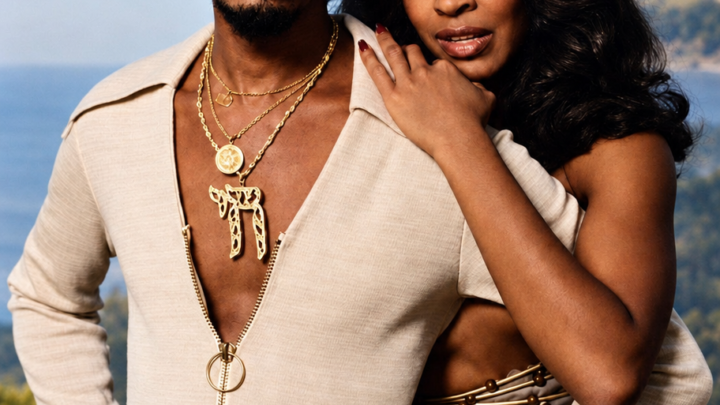
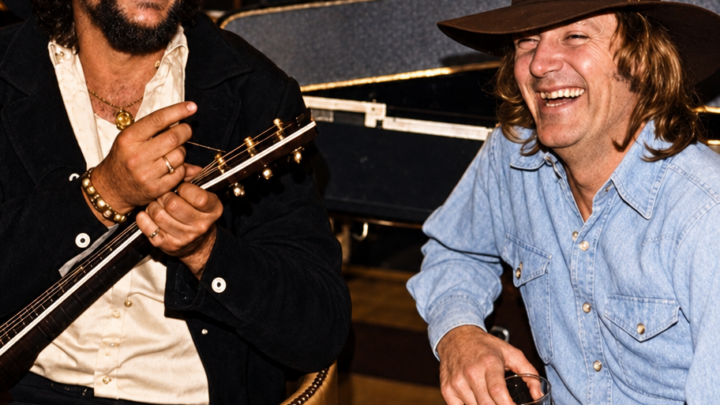
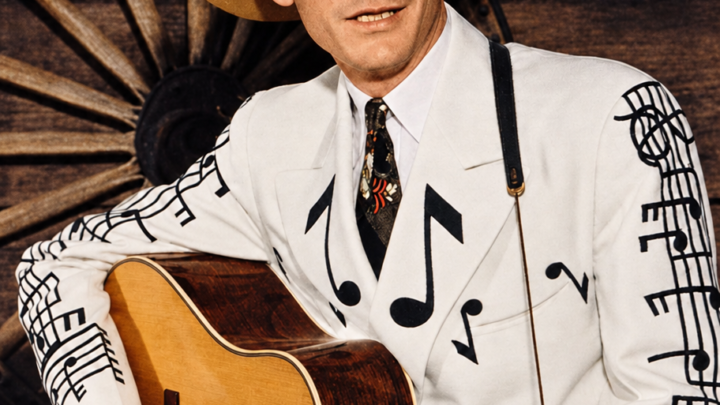
In November 1976, Charley Pride faced a choice that went beyond one concert booking. Three shows at Belfast’s Ritz Cinema had sold out, but violence had made the journey uncertain for visiting performers. In Dublin, Pride was privately told he could turn back. He continued north.
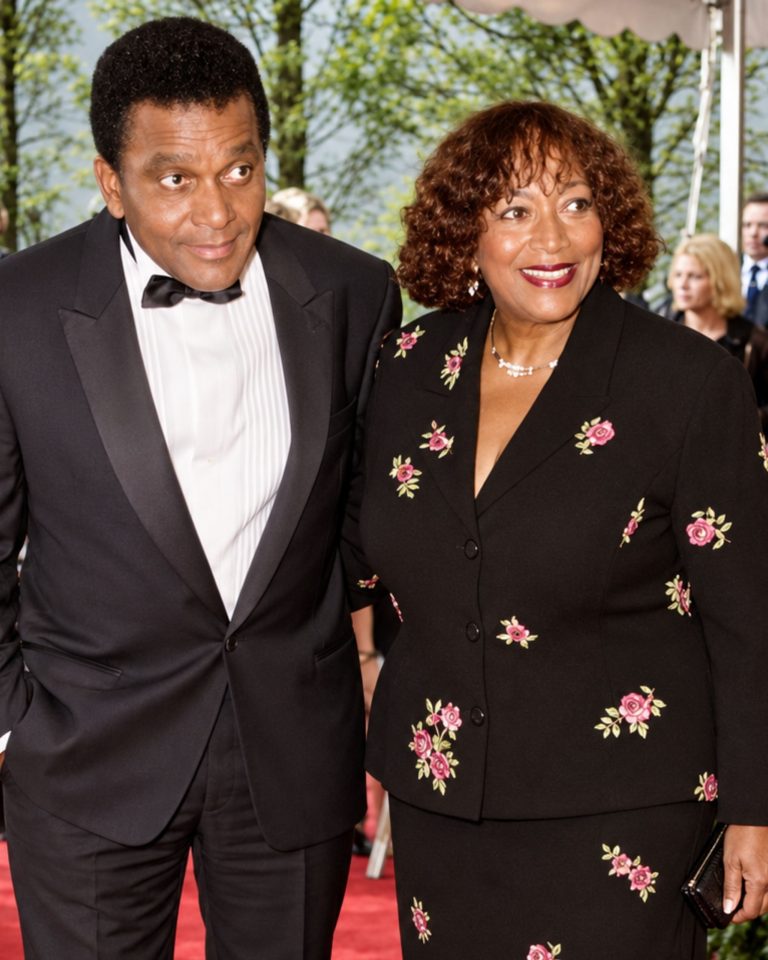
The engagement had taken shape months earlier. Promoter Jim Aiken travelled across several American states in small aircraft to meet Pride at a concert in the Midwest. He proposed a Dublin date followed by three nights in Belfast, and Pride agreed. Aiken knew that promises made through booking agents might not survive a closer look at the risks.
Those risks were painfully real. Johnny Cash had cancelled an Ulster Hall appearance in 1971. In July 1975, three members of the Miami Showband were murdered after gunmen stopped the group’s vehicle following a performance in Banbridge. Days before Pride was due at the Ritz, Tammy Wynette withdrew from her Belfast engagement. Pride’s wife, Rozene, and members of his band were also concerned.
Three nights at the Ritz
Pride performed all three shows. The significance, as the account of the engagement presents it, lay partly in the ordinary fact that the concerts took place: the band arrived, played, and audiences came together in the same venue amid a divided city.
By the third night, Pride had begun to understand what attending meant to the crowd. During “Crystal Chandeliers,” he became visibly emotional. The song had appeared on his 1967 album The Country Way but had not charted as a U.S. single. Pride later said, “I don’t do fake tears.”
The response to the song grew beyond the Ritz. It was reissued for the British and Irish market, and local performers recorded versions. In 1980, a BBC poll named it Britain’s favourite country song. Its story of exclusion and lost love resonated with listeners without requiring a political message.
A precedent, not a peace settlement
The concerts did not end the Troubles, and Belfast’s touring circuit did not recover overnight. But they gave Aiken a completed, sold-out engagement to point to when approaching other artists. Aiken’s son Peter said mainstream performers became more willing to accept Belfast bookings afterward. Tom Paxton and Joan Baez followed, and Cash returned in 1979.
Pride’s decision mattered through the practical workings of the music business: a show completed, a precedent established, and the next performer’s risk calculation altered. He did not claim to resolve Belfast’s divisions. For three nights, he kept a commitment to a city many touring acts had left off their itineraries—and an overlooked album track found a lasting life there.